Is your next Honolulu home a sky‑high condo with ocean views or a single‑family house with room to spread out? If you are weighing the two, you are not alone. Each option carries different costs, risks, and lifestyle benefits in our island market. In this guide, you will see how the numbers stack up, what to watch for in inspections and HOA documents, and how local rules can shape your decision. Let’s dive in.
Who each option fits
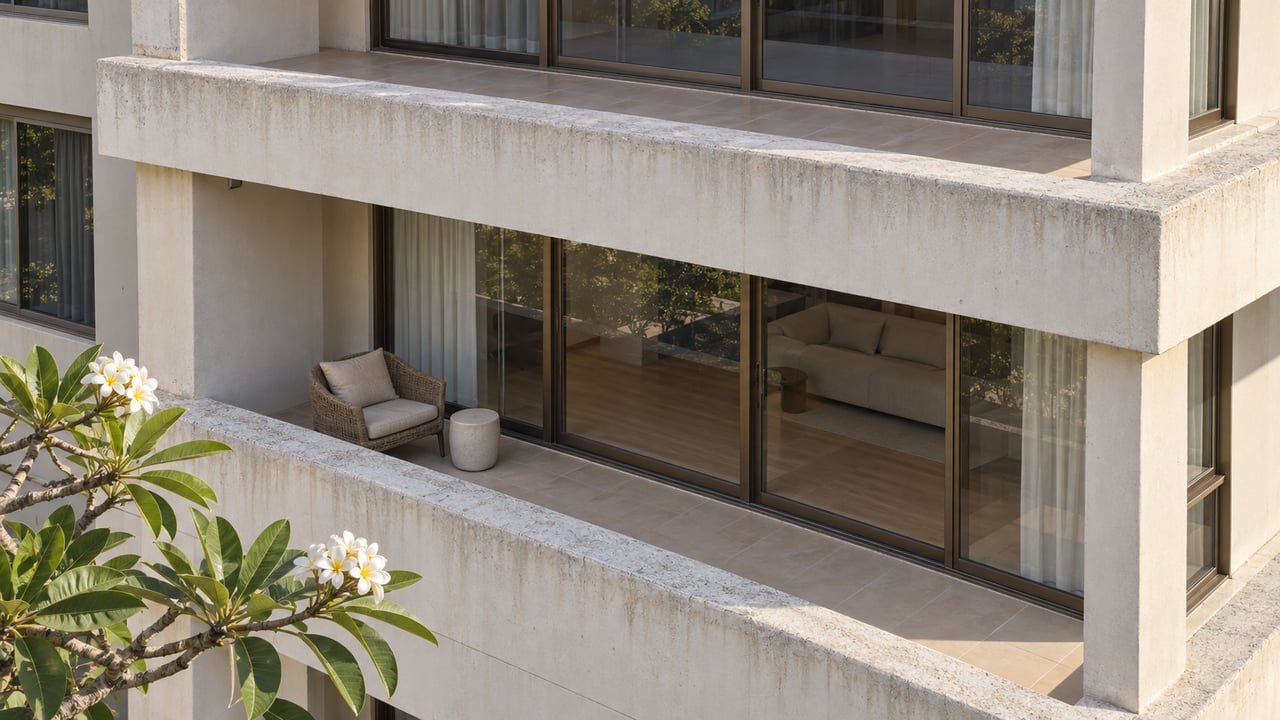
Picture this: you work in Downtown and want to walk to dining, gyms, and the beach. A condo in Kakaʻako, Ala Moana, Waikiki, or Downtown may give you convenience, views, and amenities.
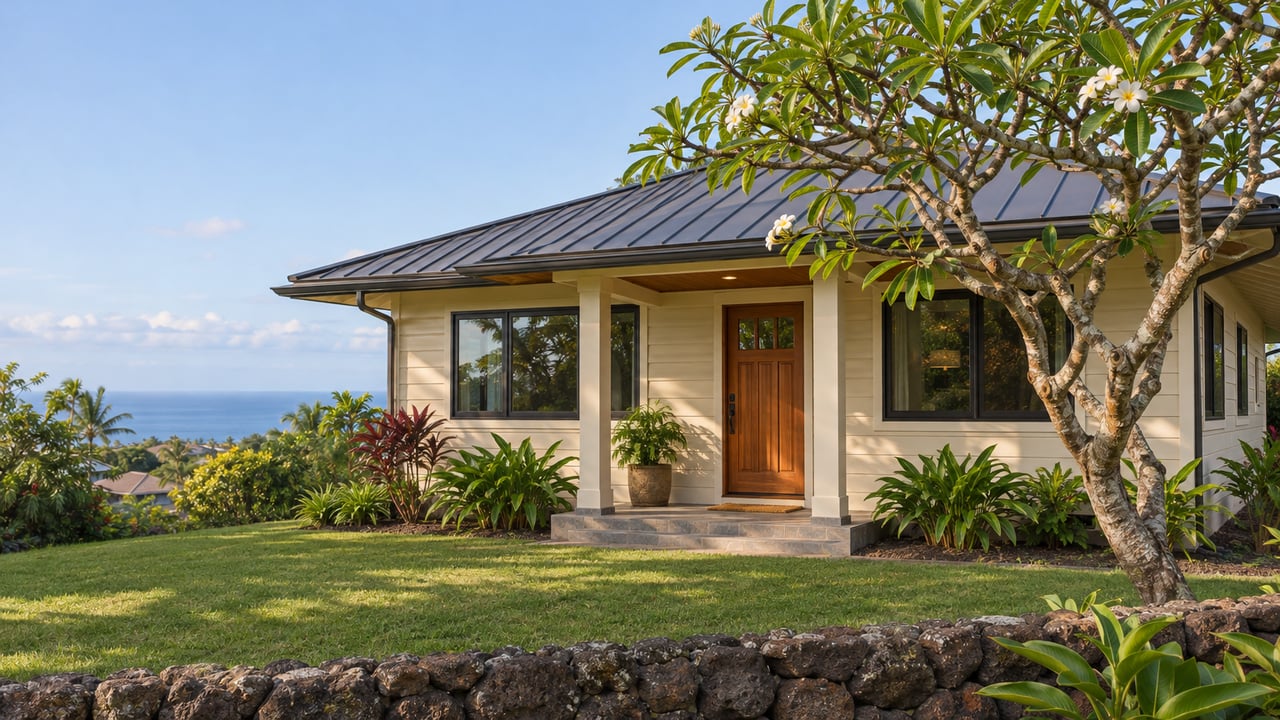
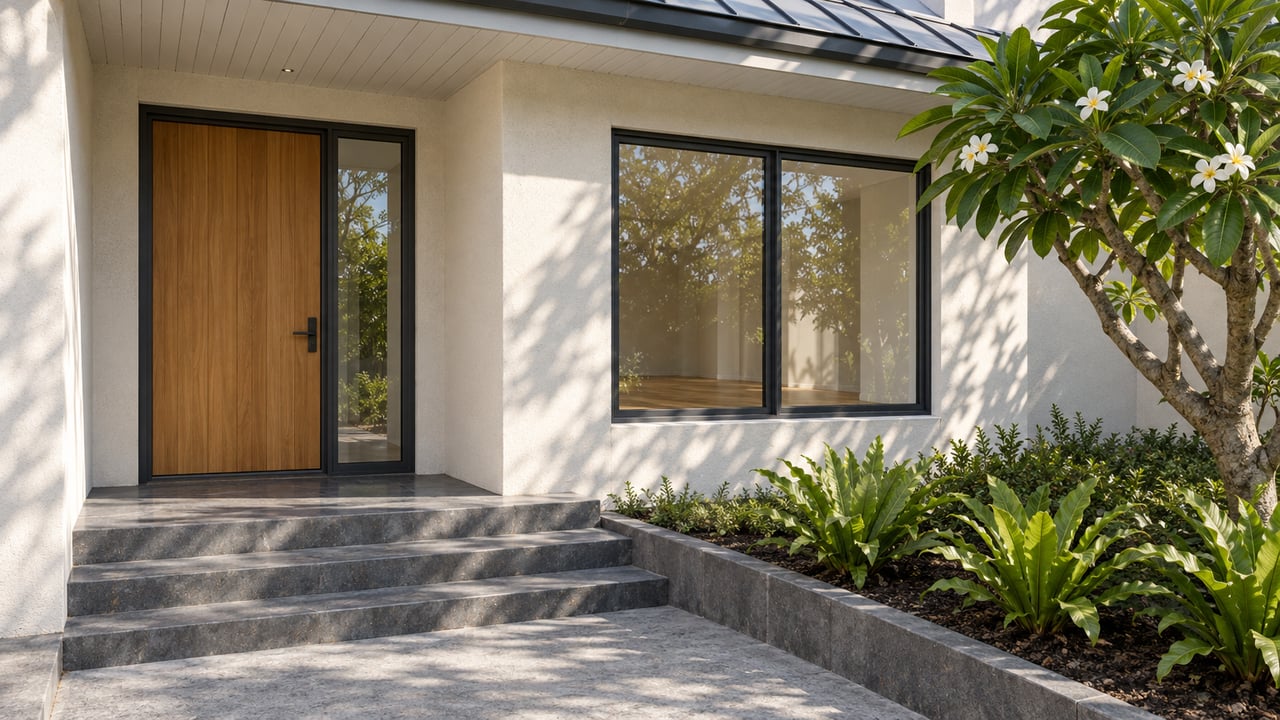
Now picture this: you want a yard, space for hobbies, and more parking. A house in neighborhoods like Manoa, Kaimukī, or parts of East Honolulu can offer privacy, outdoor space, and flexibility for projects.
Most buyers sit somewhere in the middle. Your best fit will come from comparing real monthly costs, maintenance exposure, rules, and resale factors for the specific buildings or homes you are considering.
Condos vs houses at a glance
Condos
- Walkable locations near shopping, dining, and transit.
- Amenities such as pools, gyms, and security.
- HOA rules on pets, renovations, and rentals.
- Monthly fees and potential special assessments for major work.
- Often easier to lock and leave if you travel.
Houses
- Private yard, more storage, and expansion potential.
- Fewer rules on design changes and daily life (confirm zoning).
- More responsibility for exterior, roof, and landscaping.
- Typically more parking capacity for households with multiple cars.
- Better potential for rooftop solar to offset energy costs.
Acquisition and financing differences
- Lender approval for condos depends on the building’s financials and documentation. Ask your lender early whether your target building meets project approval standards and whether certain loans are available. You can read how FHA views condo projects in the official FHA condominium guidance from HUD.
- Houses are usually simpler at the project level because the lender focuses on the property itself, not an association.
- Condo deals include HOA document review, resale certificates, and sometimes association approvals. House purchases often require broader physical inspections, including roof, retaining walls, drainage, and pest.
What it costs each month
Honolulu ownership costs cluster into similar categories for both property types. The mix is what changes.
- HOA fees (condos): Cover building exterior, common areas, insurance for common elements, reserves, and amenities. Fees vary by age, amenities, and whether utilities are included. Older ocean‑exposed towers may face concrete restoration or elevator projects that raise fees or trigger special assessments.
- Utilities: Hawaii electricity is among the highest in the country. Condos may have some utilities folded into fees. Houses provide more pathways for energy savings through rooftop solar or efficiency upgrades.
- Property taxes: Hawaii’s base rates are relatively low compared with many states, yet assessments can be high. Classification and exemptions matter. Review details with the City’s Real Property Assessment Division to understand your bill for the specific property class.
- Insurance: Condos share a master policy for common areas; you insure the interior and contents. Houses require full structure coverage. Flood and earthquake coverage are separate policies. Ask how the condo master policy defines coverage (bare‑walls or walls‑in) and what deductibles apply.
- Maintenance: Condo owners fund maintenance through monthly fees and reserves. House owners pay directly for landscaping, exterior, roof, pest control, and long‑term capital items.
Sample monthly budget framework
Use this table to compare specific listings side by side. Replace notes with your findings from HOA packets, inspections, and quotes.
| Line Item |
Condo (notes) |
House (notes) |
| Mortgage & Interest |
|
|
| HOA Fee |
What is included (water, cable, internet) |
N/A |
| Property Tax |
Classification and exemptions |
Classification and exemptions |
| Insurance |
Interior/contents, loss assessment |
Structure, liability, optional flood/earthquake |
| Utilities |
Electricity, gas, water/sewer |
Electricity, gas, water/sewer, irrigation |
| Routine Maintenance |
Interior upkeep, AC service |
Landscaping, pest, roof, exterior |
| Reserves/Special Assessments |
Reserve study status, planned projects |
Set aside for roof or major systems |
| Parking/Storage Fees |
Extra stall or locker costs |
N/A unless HOA or street permits |
Tip: Ask sellers for the last 12 months of utility bills and any HOA fee history. For condos, request the reserve study, recent meeting minutes, and details on pending assessments during due diligence.
Maintenance and long‑term risks in Honolulu
- Building age and coastal exposure: Many older concrete high‑rises have periodic restoration for spalling or rebar corrosion from salt air. Reserve adequacy matters for avoiding sudden assessments.
- Moisture and pests: Termites and mold are common risks in our climate. Budget for regular pest inspections and mindful ventilation.
- Flood, tsunami, and sea‑level exposure: Check FEMA flood maps for parcel‑level risk and Hawaii’s tsunami evacuation maps for access planning. Use the official FEMA Flood Map Service Center and the Hawaii Emergency Management Agency evacuation maps.
- Sewer versus cesspool: Most urban Honolulu properties tie into municipal sewer. Some older or fringe areas may still have cesspools and could be subject to conversion requirements. Review the Hawaii Department of Health’s cesspool conversion program for policy and timelines.
Parking, storage, and lifestyle tradeoffs
- Parking: In many condo buildings, stalls can be unassigned, single only, or unavailable. Guest parking may be limited or paid. Houses usually offer a driveway, garage, and on‑street options where allowed.
- Space and storage: Condos trade private space for amenities and location. Storage lockers, bike rooms, or valet can help. Houses typically provide yards, sheds, and flexibility for home workshops or expansions (subject to permits).
- Location and walkability: Condos in Kakaʻako, Ala Moana, Waikiki, and Downtown put you near work, dining, and the beach. Houses in Manoa, Kaimukī, and parts of East Honolulu offer quieter residential character and outdoor space.
- Views: Upper‑floor condos can deliver panoramic ocean, Diamond Head, and city vistas. Houses may offer hillside or garden outlooks, with broad views when sited on slopes.
- Pets and rules: HOA rules vary by building. Houses usually allow more flexibility for pets and design decisions, subject to zoning.
Renting and resale factors
- Short‑term rentals: Honolulu restricts short‑term rentals by zoning and building. Always confirm the legal ability to rent before you buy. Review current rules on the City’s Department of Planning and Permitting short‑term rental page and compare them with the HOA’s rental policies.
- Long‑term demand: Urban condos near jobs and universities often rent quickly, though yields depend on building rules, fees, and supply. Houses can command strong rents for families that need yards and multiple bedrooms.
- Resale dynamics: Condo values can be sensitive to building health, litigation, and news about major capital projects. Houses tend to track lot value, condition, and neighborhood appeal. Well‑managed buildings and well‑maintained homes see the widest buyer pools.
How to decide: a Honolulu‑specific checklist
Use this one‑page checklist at showings and during due diligence for each property. Save notes for side‑by‑side comparisons.
- Purchase price and recent comps in the neighborhood or building
- HOA fee, what it covers, last reserve study, past 2 to 3 years of meeting minutes
- Master insurance details (condo) and owner policy quotes, including loss assessment coverage
- Last 12 months of utility bills (ask seller) and any HOA utility inclusions
- Property tax classification and exemptions; verify with the City’s Real Property Assessment Division
- Lender project approval and loan program availability for the building; consult HUD guidance on FHA condo approval
- Building age, major past or planned work (concrete restoration, elevators, waterproofing)
- Pest and mold inspection results and any recent treatment history
- Flood zone and tsunami evacuation status; verify with FEMA flood maps and HI‑EMA evacuation maps
- Sewer or cesspool status and any required conversion; check the Hawaii DOH cesspool program
- Parking stall assignment, guest parking rules, storage locker availability and fees
- HOA rules on rentals and pets, and any owner‑occupancy requirements
- Neighborhood noise patterns, walkability, transit access, commute times
- Recent resale activity in the building or neighborhood and any ongoing litigation
Where to find current rules and market context
Bringing it together
There is no universal winner in the condo versus house debate in Honolulu. A condo may deliver lower exterior maintenance, strong amenities, and an urban lifestyle, yet carry HOA fees and building‑level project risk. A house can bring privacy, flexibility, and better options for solar, yet requires more time and money for upkeep. Your best move is to compare specific properties using the budget framework above, request all HOA and inspection documents early, and weigh how location and rules fit your daily life.
If you want a clear side‑by‑side of your top choices, reach out for a local consultation. Our team will help you price monthly costs, review HOA documents, evaluate risk, and align your purchase with your goals.
FAQs
Which is cheaper per month in Honolulu, a condo or a house?
- It depends on the specific property; condos can have lower maintenance but add HOA fees, while houses avoid HOA fees but require more direct spending on utilities and upkeep.
How risky are condo special assessments in Honolulu?
- Risk is higher in older ocean‑exposed buildings; review the reserve study, recent HOA minutes, and planned projects to gauge the likelihood and size of assessments.
Can I rent a Honolulu condo short‑term on platforms like Airbnb?
- Check the City’s rules and your building’s documents first; many areas restrict short‑term rentals and some HOAs set minimum lease terms or prohibit them entirely, so verify on the DPP STR page.
Is a high‑rise unit safer from tsunami and flood issues?
Can I install rooftop solar if I buy a condo in Honolulu?
- Usually no for individual unit roofs, since HOAs control common elements; single‑family homes generally offer more options for solar and energy savings.
How do I confirm property tax details for a specific Honolulu home or condo?
Ready to compare two properties with a local, senior‑led perspective? Contact Artie Wilson to request a free home valuation or market consultation and get clarity on your best path forward.