Hilo Lifestyle Guide For Future Homebuyers
May 7, 2026
May 7, 2026
Thinking about buying a home in Hilo? Lifestyle fit matters just as much as square footage, especially on Hawaiʻi Island, where one side of the island can feel very different from another. If you are trying to picture daily life in Hilo, this guide will help you understand the pace, setting, climate, public spaces, and housing character so you can decide whether it matches the way you want to live. Let’s dive in.
Hilo sits on the windward east coast of Hawaiʻi Island around Hilo Bay, between Mauna Kea and Mauna Loa. According to the 2020 Census, Hilo CDP had 44,186 residents, which gives it the feel of a small city with an established local base.
For many buyers, Hilo stands out because it does not read like a resort corridor. County planning materials describe downtown Hilo as a place where renewal efforts focus on historic character, Bayfront access, walkability, bike-friendliness, and multimodal connections.
That matters when you are buying a home, because your day-to-day experience is shaped by how a place works beyond your front door. In Hilo, the overall rhythm appears more locally rooted, connected to public spaces, downtown streets, and bayfront access.
If you are looking for a place where daily errands and leisure can connect to a compact town center, downtown Hilo is a big part of the story. The County’s Downtown Hilo Multimodal Master Plan was developed through a broad community process and centers on improving mobility while preserving historic character.
For a future homebuyer, that points to a lifestyle where transportation options, pedestrian access, and connections to the Bayfront are part of the long-term vision. It suggests a downtown environment shaped by function and local use, not just visitor activity.
County planning specifically frames downtown Hilo around walkability and bike-friendliness. That is helpful if you value being able to enjoy public spaces and a connected town layout as part of your routine.
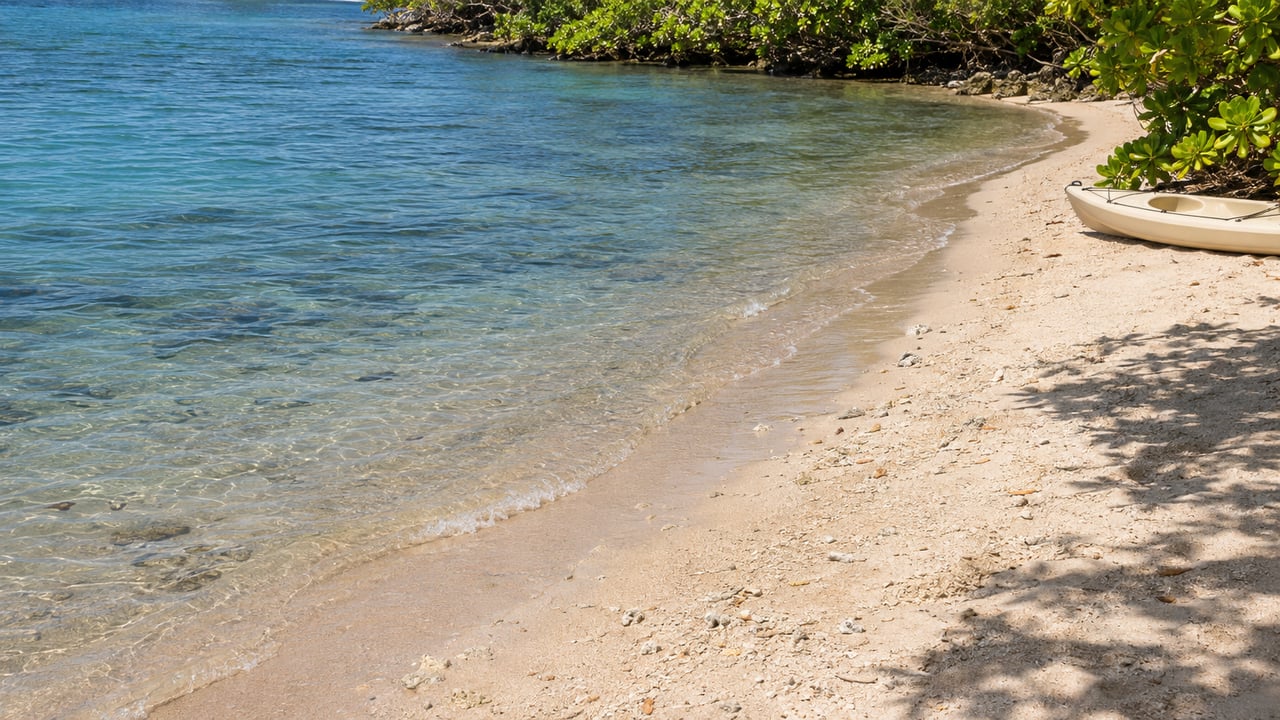
The Bayfront is also a key part of Hilo’s identity. Hilo Bayfront Trails is planned as a multi-phase system of multi-use pathways running along the bayfront from the Wailuku River to Hilo Harbor, reinforcing the area’s connection between town and shoreline.
Several public spaces help define how Hilo feels on a normal week, not just during special events. Hilo Bayfront Park includes a walking and jogging path, while Liliʻuokalani Gardens includes a walking and jogging path, pavilion, and restrooms.
The Wailoa River State Recreation Area adds another layer to daily life, with opportunities for walking, quiet relaxation, picnicking, boat fishing, and cultural displays through the Wailoa Center. If outdoor access matters to you, these spaces are central to understanding Hilo’s appeal.
Hilo offers a notable concentration of cultural institutions for its size. That can shape your experience as a homeowner because it means arts, history, and civic life are woven into the city’s core rather than pushed to the margins.
Downtown Hilo includes the East Hawaiʻi Cultural Center on Kalākaua Street, which the County lists as a culture and art display space. The Lyman Museum, which describes itself as nationally accredited and Smithsonian affiliated, features exhibits on Hawaiʻi’s natural history and culture.
Mokupāpapa Discovery Center on the historic bayfront interprets the Northwestern Hawaiian Islands and surrounding marine environment through exhibits and an aquarium. The Pacific Tsunami Museum adds another local layer, focusing on tsunami stories, education, and preparedness.
One of the clearest expressions of Hilo’s cultural identity is the Merrie Monarch Festival. Its official site describes a week-long event that includes an internationally acclaimed hula competition, a Hawaiian arts fair, hula shows, and a grand parade through Hilo town.
For buyers, this says something important about place. Hilo’s cultural life is not abstract. It shows up in the streets, public venues, and shared spaces that residents experience firsthand.
Climate can have a major effect on housing decisions, and Hilo has a distinct weather pattern. NOAA describes Hilo as being in the trade-wind belt, with fairly steady temperatures throughout the year.
July and August are the warmest months, with average daily highs and lows of 83°F and 68°F. January and February are the coolest, with highs around 80°F and lows around 63°F.
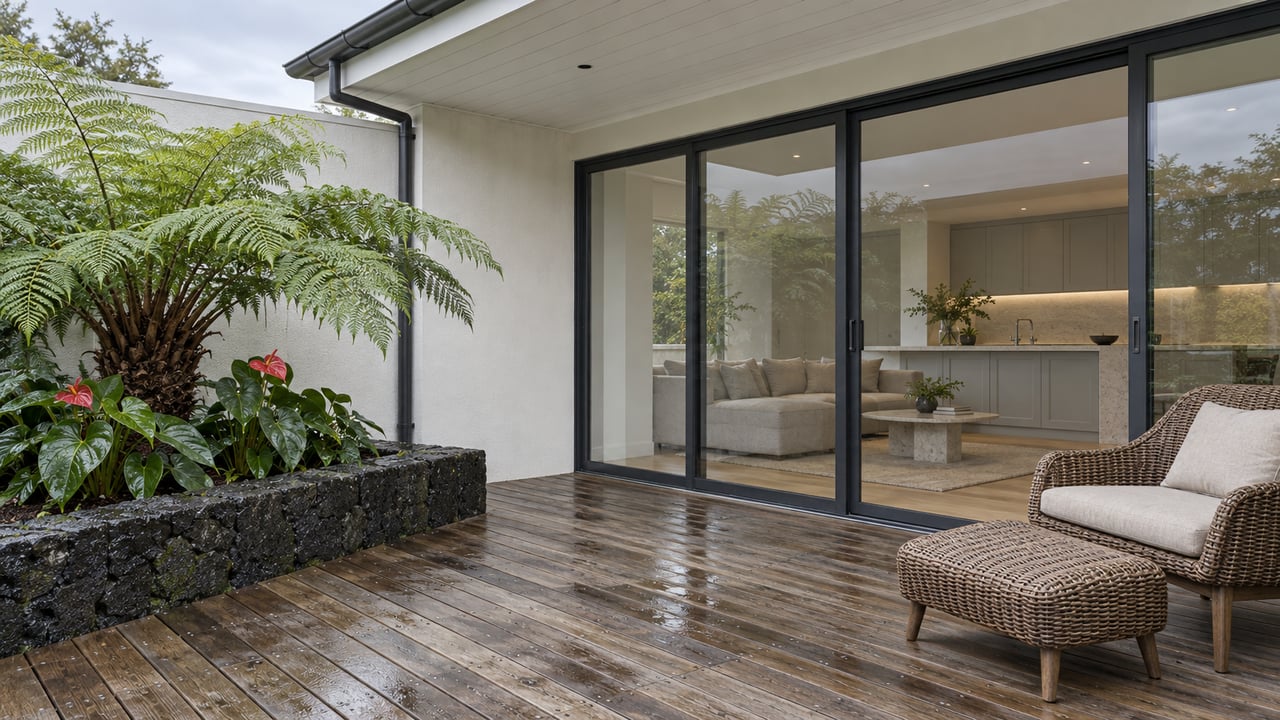
The bigger lifestyle factor for many buyers is rainfall. NOAA reports that average rainfall within Hilo ranges from about 130 inches a year near the shore to as much as 200 inches upslope, and the 1991 to 2020 normals for Hilo International Airport show 120.39 inches of annual precipitation.
If you are comparing regions on Hawaiʻi Island, Hilo and Kona often feel very different. NOAA normals show Kailua-Kona Ke-Ahole Airport with 9.87 inches of annual precipitation, far below Hilo’s annual normal.
That contrast helps explain why buyers often think about Hilo and Kona as different lifestyle settings, not just different points on the same island. Hilo’s windward climate and bayfront-centered town pattern can be a better fit for some buyers, while others may prefer a much drier setting.
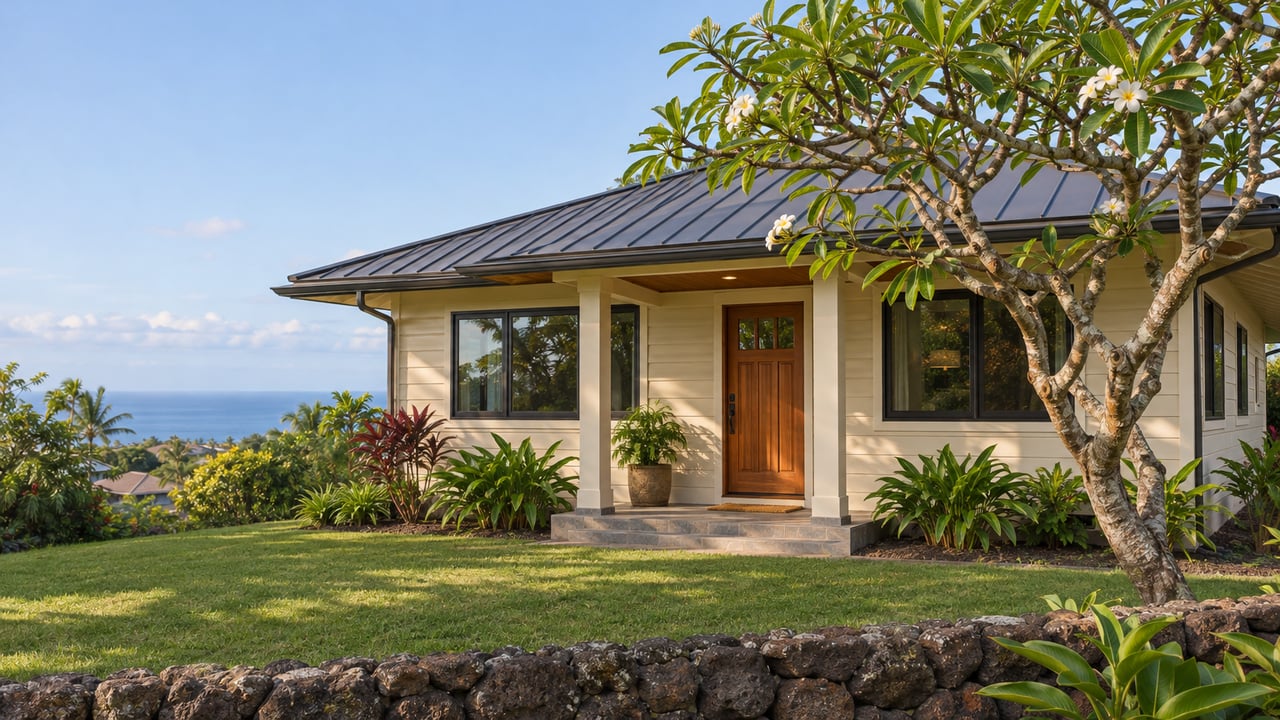
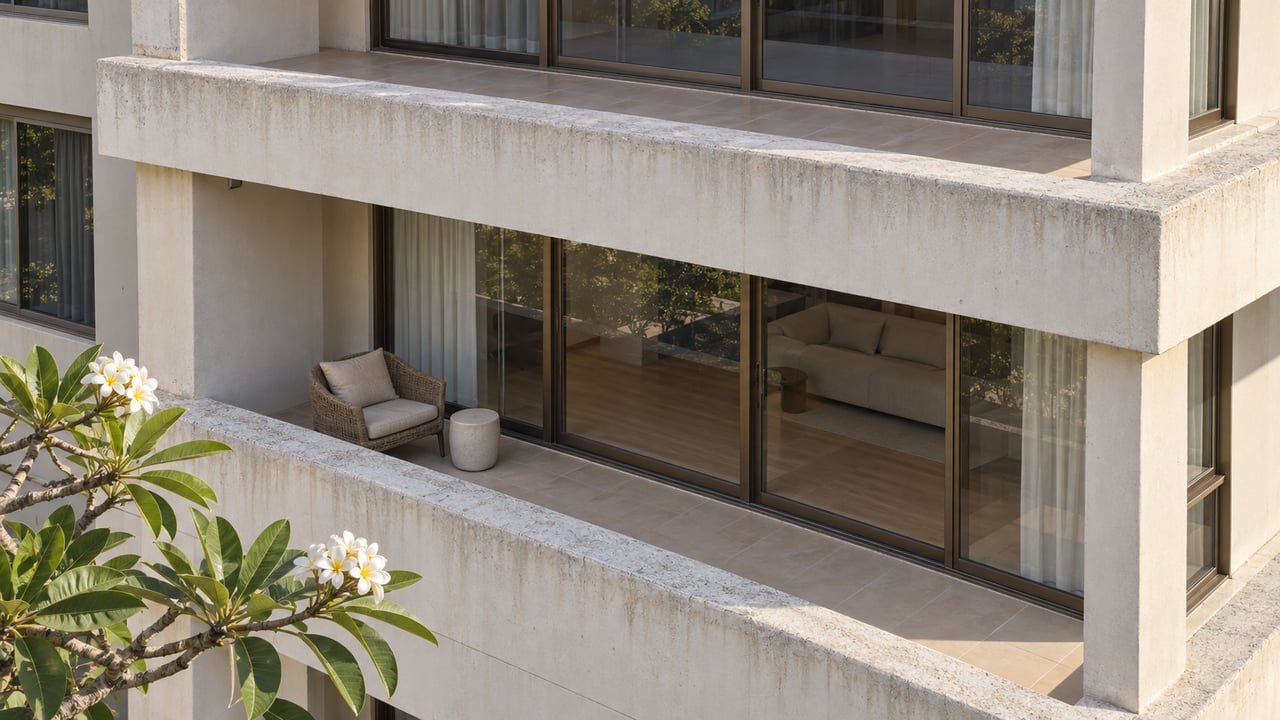
Hilo does not appear to be defined by one single housing type. For an early-stage buyer, that can be a real advantage because it opens the door to comparing different property formats within the same general area.
The U.S. Census Bureau’s quick facts for Hilo CDP show an owner-occupied housing unit rate of 66.1%, a median owner-occupied home value of $483,000, and median monthly owner costs of $2,060 with a mortgage. The same profile lists median gross rent at $1,427 and 17,750 households, with 2.76 persons per household.
Another important detail is stability. Census data shows 87.5% of residents were living in the same house one year ago, which points to an established residential base rather than a place defined by rapid turnover.
County housing pages point to a broad range of housing formats in and around Hilo. The ʻĀinakō Subdivision Housing project is planned as a mix of townhomes, flats, and single-family units.
The Haihai Street Workforce Housing project is targeted to include single-family lots and multi-family rental units. County affordable housing inventory in Hilo also includes senior housing communities such as Mohouli Heights Senior Residences III, Hale Olaloa, and Kinoole Senior Residences.
Taken together, those official sources suggest that buyers in Hilo may encounter:
That variety can be useful if you are still narrowing your priorities. Instead of forcing your search into one product type, you can evaluate Hilo based on the overall lifestyle you want and then refine your home search from there.
For many buyers, Hilo makes sense because it combines several features that work well together. You have an established community, a distinct downtown, access to bayfront and riverfront public spaces, and a cultural calendar that feels tied to local life.
You also have a climate that is clearly different from the west side of the island, which can be either a draw or a deciding factor depending on your preferences. If you want to choose a home based on how you will actually live each day, Hilo gives you a strong lifestyle framework to evaluate.
A smart home search in Hilo often starts with questions like these:
When you answer those questions early, you can make better decisions about where to focus your search and what kind of property will feel right long term.
If you are exploring Hilo as part of a move within Hawaiʻi or from another island, working with experienced local guidance can help you compare lifestyle fit, housing options, and market opportunities with more confidence. When you are ready to talk through your goals, reach out to Artie Wilson for a free home valuation or market consultation.
Stay up to date on the latest real estate trends.