Is Ewa And Kapolei The Right Move For You?
February 19, 2026
February 19, 2026
Thinking about trading city buzz for more space, newer homes, and a suburban pace on Oʻahu? If Ewa and Kapolei are on your radar, you’re not alone. Many buyers look to West Oʻahu for modern neighborhoods, big‑box convenience, and resort‑style fun, then weigh those perks against longer commutes. In this guide, you’ll get a clear picture of daily life, housing options, transit, and the real trade‑offs so you can decide if 96707 is the right move. Let’s dive in.
Ewa and Kapolei sit on the Ewa Plain, a major growth area planned by the City as Oʻahu’s “secondary urban center.” The City’s Ewa Development Plan outlines Kapolei’s role as a civic and retail hub for West Oʻahu, with master‑planned neighborhoods and resort nodes shaping day‑to‑day life. You feel that planning in the newer roads, parks, and community centers that serve growing neighborhoods. You also see it in the steady stream of new homes and amenities across the area. City planning documents confirm this long‑term vision.
Recent Census summaries describe Ewa and Kapolei as family‑oriented communities with larger average household sizes than urban Honolulu. Median household incomes tend to sit well above $100,000 in recent snapshots, which aligns with demand for multi‑bedroom homes, garages, and yards. These numbers help explain the steady draw for growing households seeking space and value. You can review local household and commute statistics in the Ewa Beach profile.
Kapolei functions as the regional shopping center for West Oʻahu. Ka Makana Ali‘i anchors the area with 100 plus shops, dining, and a cinema, which makes one‑stop errands and weekend outings easy. Smaller centers like Laulani Village, Ewa Town Center, and Kapolei Commons round out groceries, services, and casual dining. You can get a sense of the mall’s role as a community hub from Ka Makana Ali‘i’s official updates.
You’ll find public parks across Ewa and Kapolei, including Ewa Beach Community Park and Kapolei Regional Park, with the City actively managing upgrades and water stewardship. That means regular places to play soccer, walk the dog, or unwind after work. Resort‑style options are nearby too. The Ko Olina lagoons are publicly accessible beaches, with access and parking managed on site, and the Ko Olina Center adds dining for a relaxed evening out. Review access details in the Ko Olina lagoon FAQ. City parks information is available through a Honolulu Parks & Rec update.
In Ewa’s master‑planned communities, you’ll also see private or community‑managed amenities like pools, playgrounds, walking paths, golf, and the growing hub at Wai Kai. At Hoakalei, resort‑style living and golf are signature lifestyle features that attract buyers who want a planned, amenity‑rich environment. A recent project update highlights the ongoing growth of this resort‑residential node in Ewa Beach. You can read more in this Hoakalei overview.
Public schools in the area include large campuses such as James Campbell High School in Ewa Beach and Kapolei High School. As neighborhoods have grown, enrollment pressures and district boundary updates have been part of planning conversations. West Oʻahu also has a higher‑education anchor in the University of Hawaiʻi–West Oʻahu located in Kapolei. If schools are part of your decision, confirm current assignments and any redistricting updates directly with the Hawaii Department of Education or individual school sites.
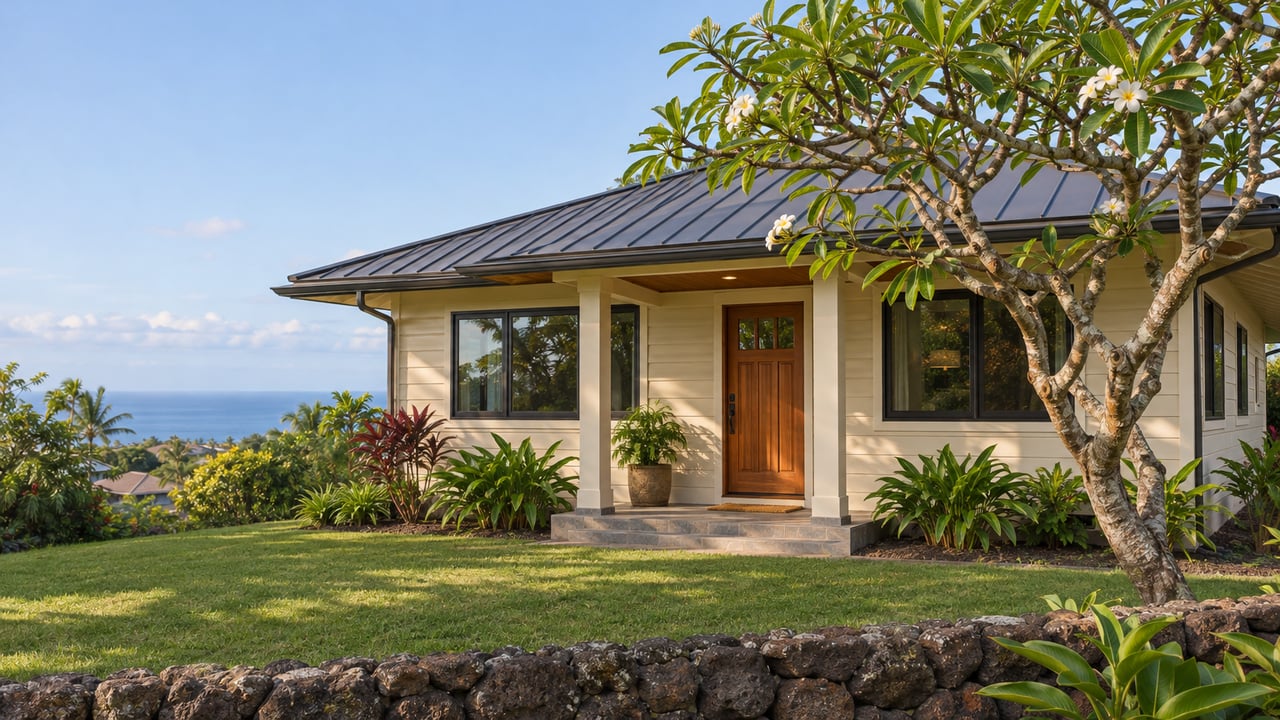
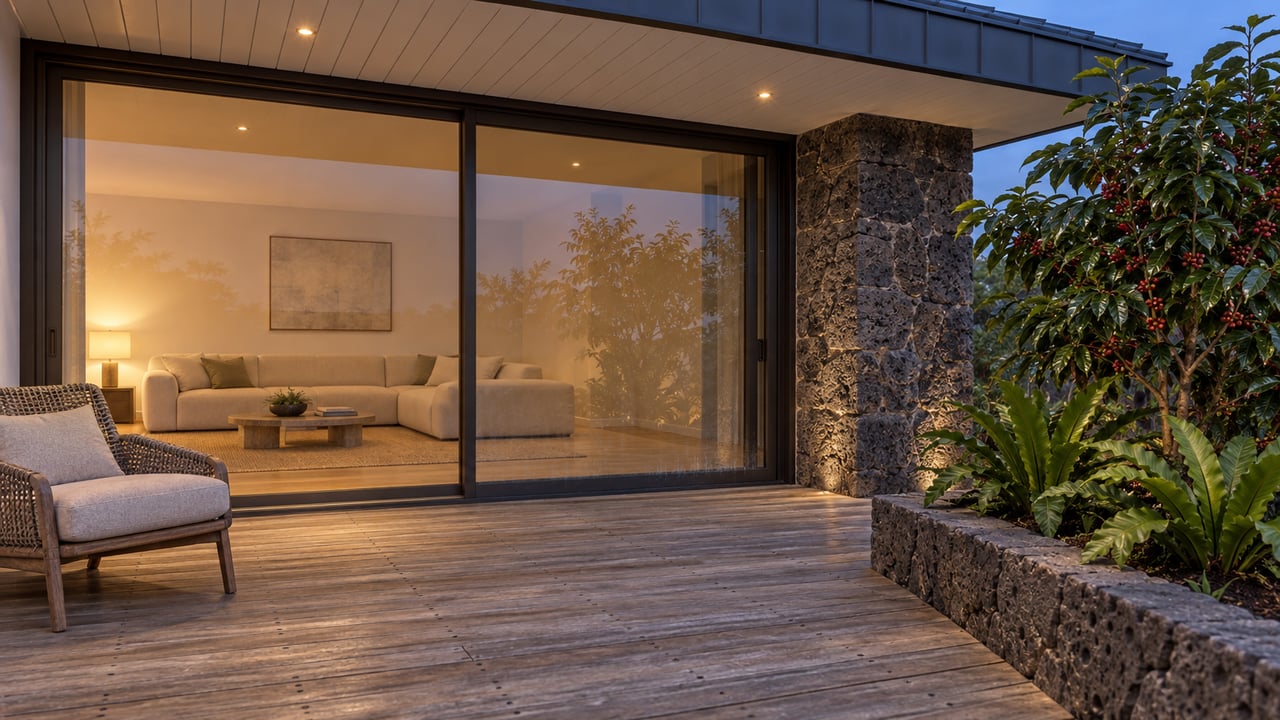
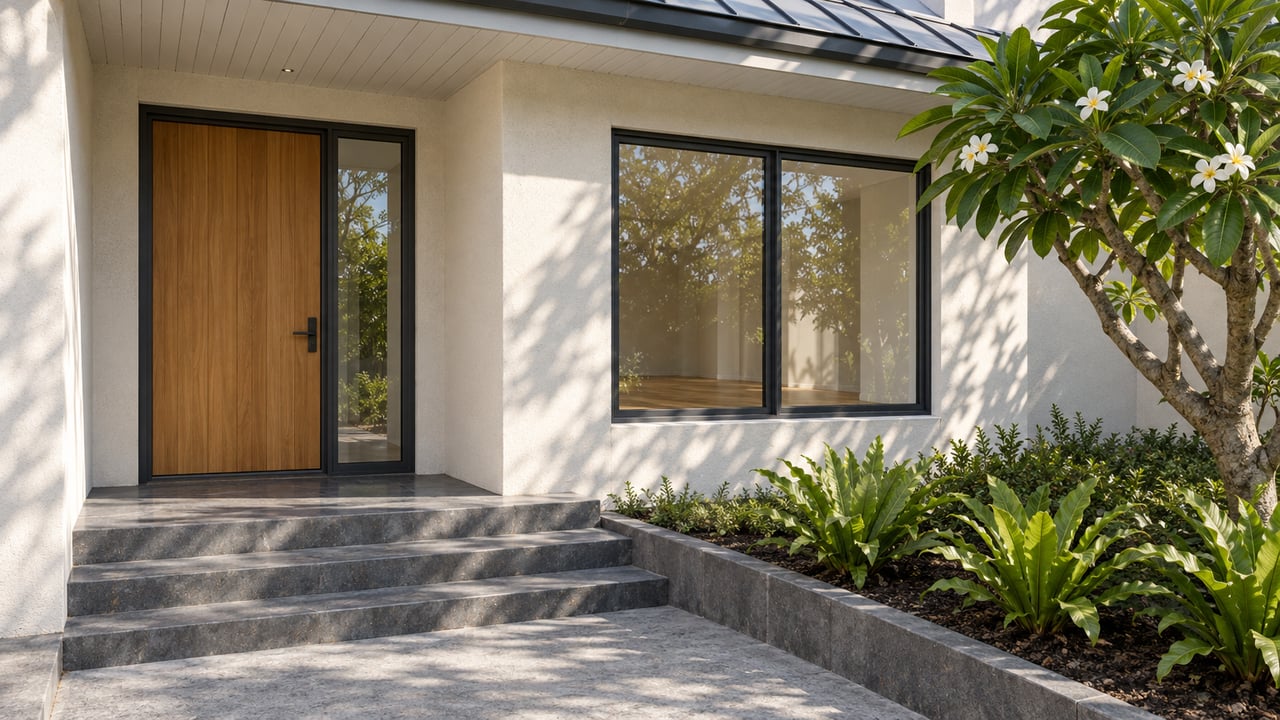
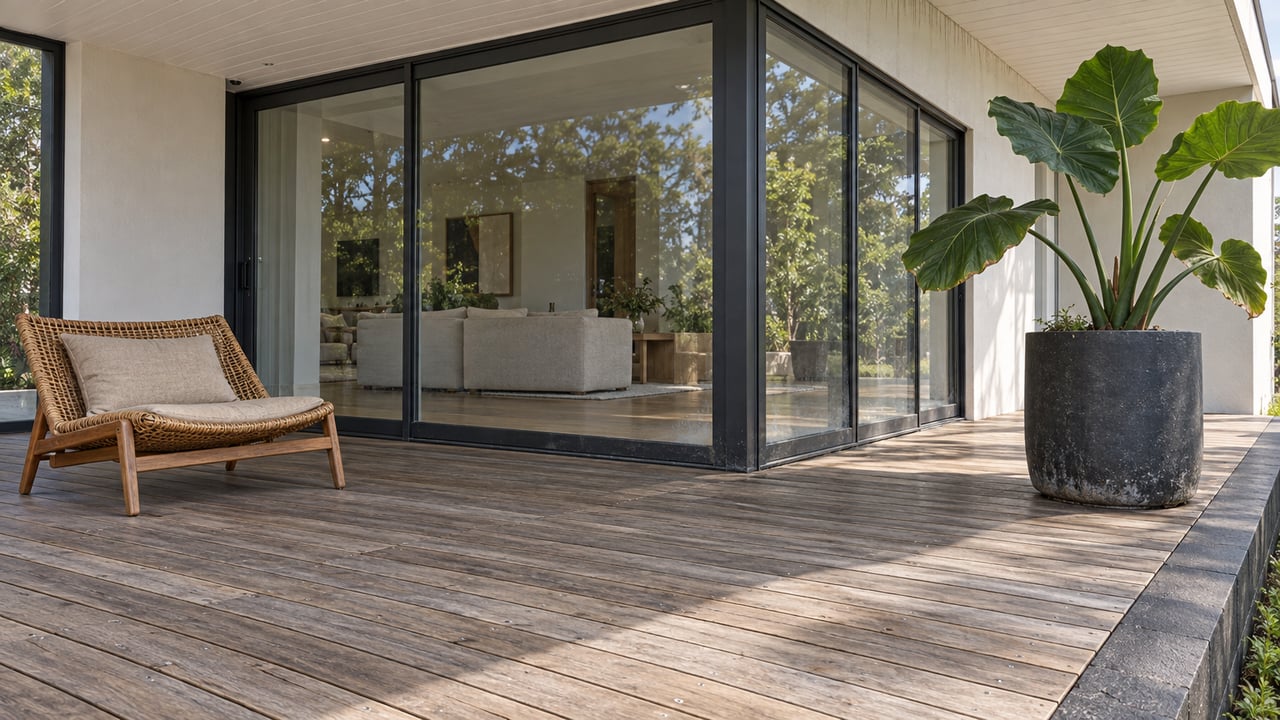
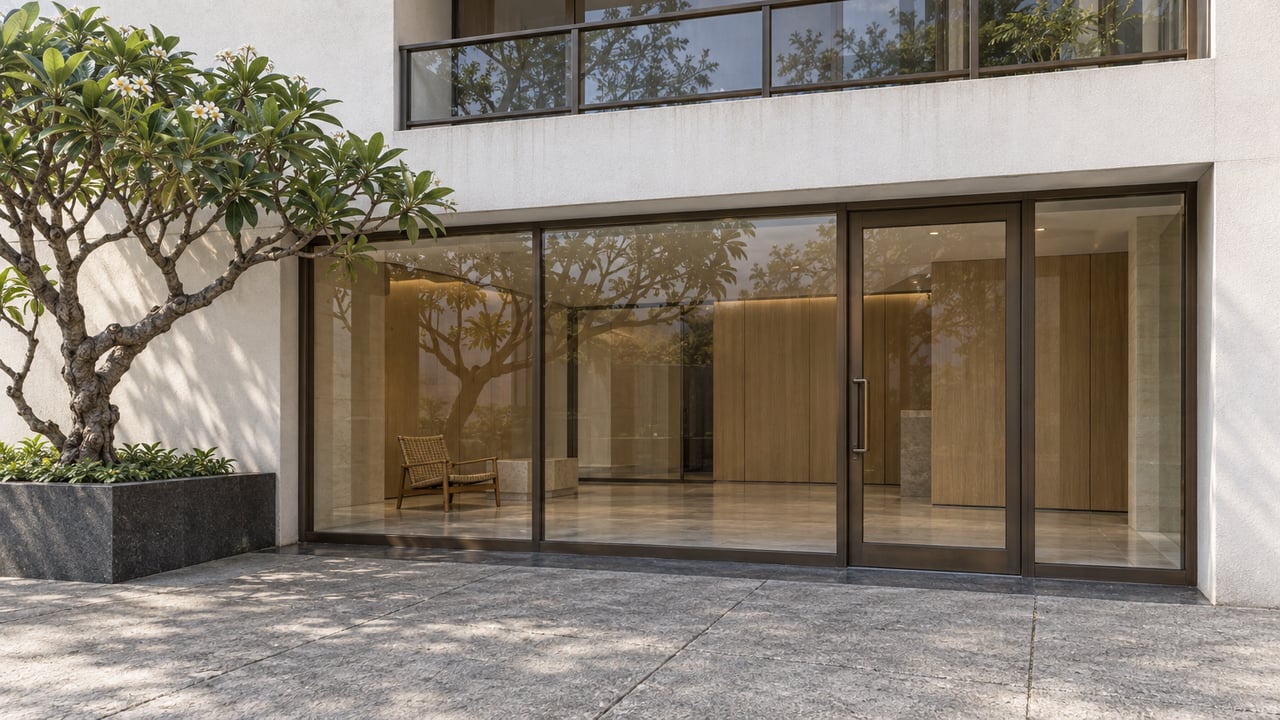
Ewa and Kapolei offer a range of housing, from older single‑family homes near the original Ewa Beach to newer master‑planned neighborhoods like Hoʻopili, Hoakalei, Ewa by Gentry, and the Villages of Kapolei. These communities often blend detached homes with townhomes and low‑rise condos. New phases continue to add both single‑family and attached product, which creates options across budgets. For a snapshot of new‑build activity at Hoʻopili, see this community update.
Major market trackers show typical home values in the Ewa and Kapolei area in the mid to high six figures, with month‑to‑month variation by property type and exact neighborhood. You can expect meaningful price differences between older Ewa Beach pockets, newer Hoʻopili villages, and resort‑area homes in Hoakalei. Developers continue to release new phases, which can help with inventory in select price bands. For the most accurate read, use local MLS data and recent street‑level sales when you narrow to a specific neighborhood.
If you work in town, plan for a longer commute than many Honolulu neighborhoods. Census data shows Ewa Beach residents average travel times in the high 30 minutes, which tracks with a roughly 20 to 25 mile drive to downtown and variable H‑1 congestion during peak hours. It’s a classic trade‑off: more home and amenities for your dollar, with more time on the road. You can review commute statistics in the Ewa Beach ACS summary.
Honolulu’s Skyline rail opened its first operating segment in 2023, including stations at East Kapolei and UH West Oʻahu. If you live near those stations, the rail can be part of a combined commute that reduces your drive time. The system’s map and operating segments are updated by HART, so check the current route and station list to plan your trips. Start with HART’s Skyline route map.
TheBus has also adjusted routes to connect more neighborhoods with Skyline stations and Kapolei transit hubs. These changes improve options for non‑driving households and for commuters who prefer a rail plus bus trip. Review current schedules and recent West Oʻahu updates through official route change coverage and TheBus route pages.
Pros
Cons
Ready to compare neighborhoods, commute options, and budget in 96707 with a local pro who knows West Oʻahu and the broader island market? Reach out to Artie Wilson for a personal consultation and a clear plan to make your move with confidence.
Stay up to date on the latest real estate trends.