Living Near The Marina In Hawaii Kai
March 5, 2026
March 5, 2026
Picture your morning starting with a calm paddle past boats and birds, then grabbing coffee right on the water before work. If you’re drawn to easy access to the bay, short errands, and a community that lives on the water, Hawaii Kai’s marina lifestyle can be a perfect fit. At the same time, you want a clear view of ownership costs, boating rules, and long-term resiliency before you commit. In this guide, you’ll learn how marina living works, what types of homes to consider, and the key checks to make during due diligence. Let’s dive in.
Hawaii Kai is a purpose-built, marina-centered community on Maunalua Bay. The modern basin and interior canals were created in the mid-20th century, transforming the historic Kuapā fishpond and wetland into the marina that organizes the neighborhood today. You feel that design in daily life, with streets and homes oriented to the water and the bay beyond. For historical context, see the University of Hawaiʻi overview of Maunalua and Kuapā’s transformation into Hawaii Kai’s marina setting at the Coastal Geology Group’s site at the University of Hawaiʻi at Mānoa (learn more).
Maunalua Bay is also an actively managed coastal area. Resource managers and community stewards focus on reef health and recreational rules, which can affect fishing and certain nighttime activities. If you plan to fish or dive, review the Maunalua Bay Fisheries Management Area updates and meeting details from the Department of Land and Natural Resources (FMA rules context).
Living near the marina makes getting on the water part of your routine. Calm canals are ideal for paddleboarding and kayaking, and short powerboat trips into Maunalua Bay are common. Many residents stage from their backyard docks or community landings and treat the marina as an extension of home.
Public access and safety have improved with recent state investment. The Maunalua Bay boat-ramp and entrance-channel dredging and facility upgrades were completed ahead of schedule, with a blessing in early 2026. That work reduces bottlenecks at the channel and improves access for boaters and first responders (project details).
If you want a slip, know your options. Koko Marina Center offers commercial slip rentals, and some residential communities provide assigned or leasable slips. Policies vary by project and by the Hawaii Kai Marina Community Association, so always confirm whether a slip is deeded, transferable, leased through an association, or available only as a transient rental (HKMCA information).
One of the perks of marina living is how easy daily life can feel. Koko Marina Center sits on the water with restaurants, cafes, and services, so you can meet friends for a waterside meal or pick up essentials without a long drive. Explore dining and snack options right on the docks at Koko Marina Center’s directory (see restaurants and snacks). Nearby, Hawaii Kai Towne Center and Costco make weekly shopping simple. Many residents use a mix of short drives, walks, and, in calm conditions, even quick paddles to get around.
Different product types offer distinct lifestyles and cost profiles. Here is how the main options compare so you can match them to your goals.
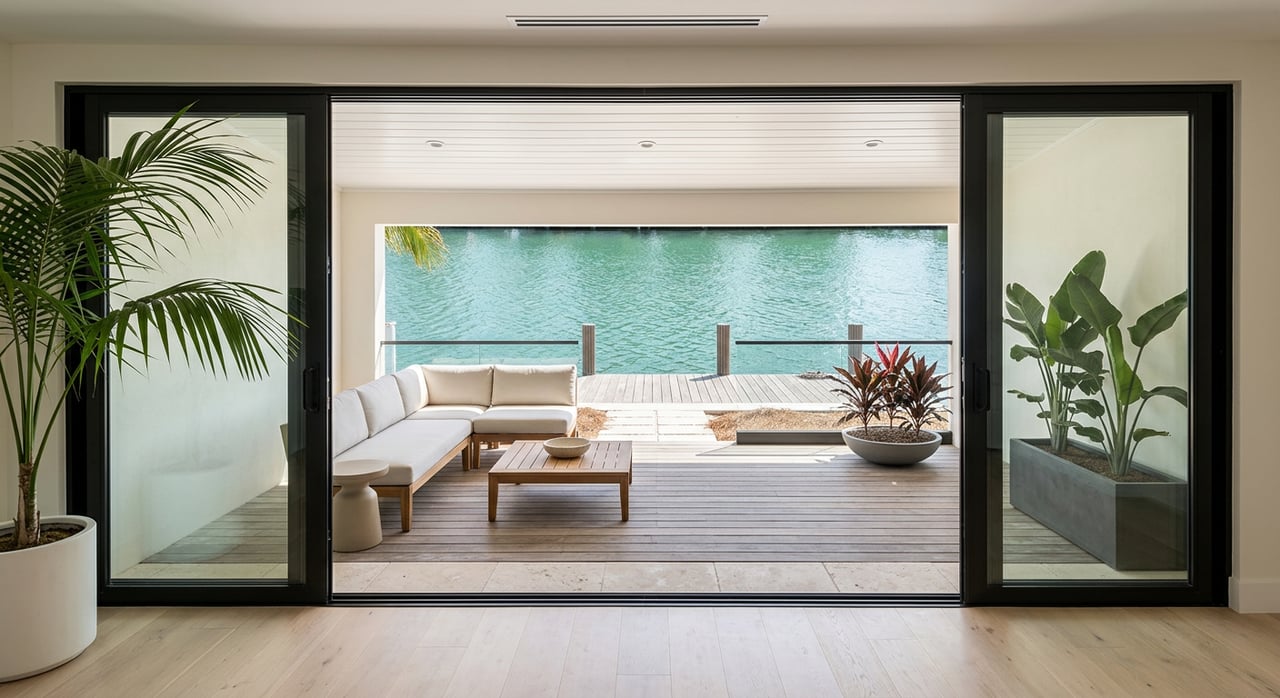
Examples include Koko Isle and Marina Palms. These are low- to mid-density townhome communities, many built in the 1960s–1970s, with courtyards in front and lanais that open to the marina in back. Some units have private or assigned docks, while others offer access through a community landing. Koko Isle is a self-contained, island-like complex that highlights marina-front living and shared amenities such as a pool and clubhouse (Koko Isle overview).
What you’ll notice day to day is the indoor-outdoor flow and the feeling of being right on the water. The tradeoff is age and association costs. Older systems may require updates, and HOAs that maintain docks, seawalls, and insurance can face rising expenses.
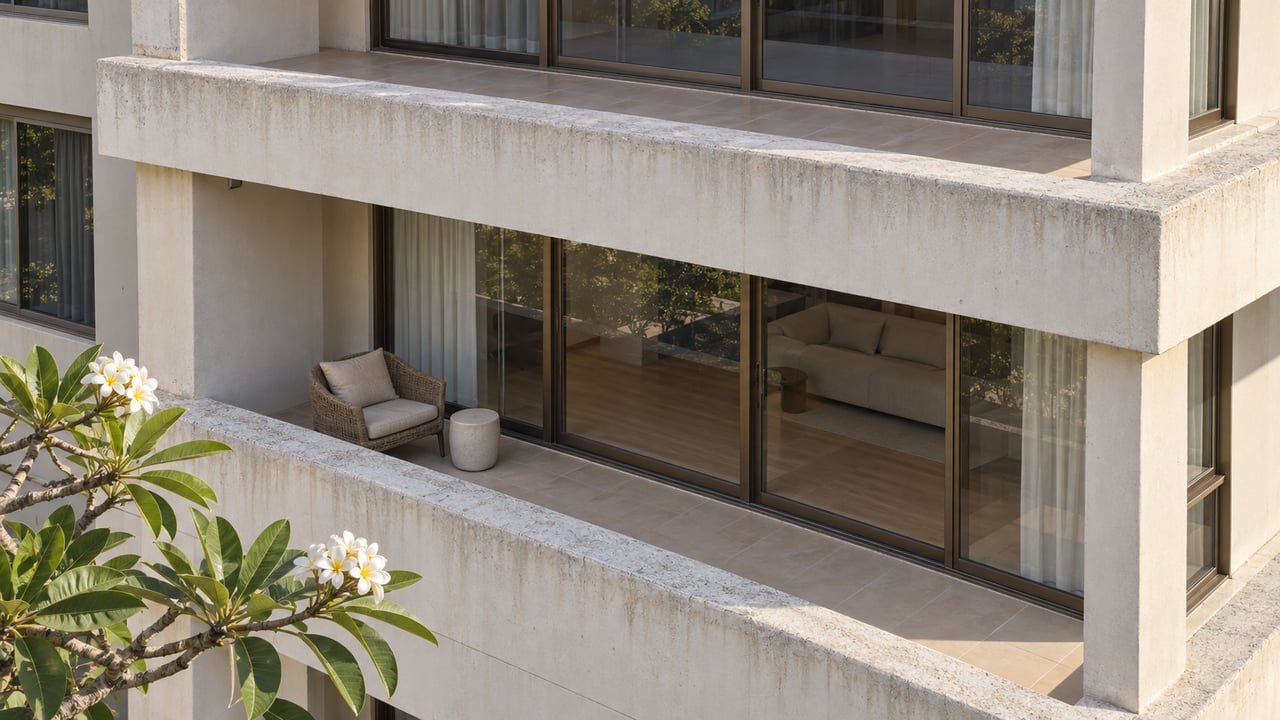
Larger condo communities in the West Marina area can offer saltwater pools, fitness rooms, tennis or pickleball, and security features. Some complexes may manage assigned or limited boat slips. If you prefer turn-key convenience and on-site services, this can be a good fit. Expect higher monthly maintenance fees that reflect the amenity package, and verify parking, storage, and any slip policies for your specific building.
Waterfront homes in areas such as Portlock and along select marina fronts deliver maximum privacy and control. You may find larger lots, custom construction, and fixed docks in some locations, subject to approvals and site conditions like depth and turning radius. The lifestyle is premium, and so are long-term costs. You assume greater responsibility for seawalls, docks, and insurance, and you trade shared amenities for private spaces.
Marina living rewards you with convenience and access, but it is wise to plan for the realities that come with salt air and coastal siting.
Across Oʻahu, many associations have faced higher insurance and remediation costs in recent years. Older buildings especially may need plumbing, fire system, or structural work that can lead to fee increases or special assessments. Review the association’s budget, meeting minutes, and insurance declarations to understand your exposure (island-wide context).
Salt spray accelerates corrosion on metal fixtures, railings, and HVAC units, and it shortens paint and finish lifespans. Plan for more frequent power washing, exterior painting, and routine rinsing or replacement of marine hardware. Simple habits, like freshwater rinses of outdoor metal and regular HVAC coil cleaning, go a long way (home maintenance checklist).
Standard homeowners and condo policies typically exclude flood damage, and federally backed lenders usually require flood insurance for properties in FEMA Special Flood Hazard Areas. Check your address using the FEMA Map Service Center to see your flood zone (FEMA flood maps). For long-term planning, the PacIOOS and University of Hawaiʻi Sea Level Rise Viewer helps you visualize future exposure scenarios to tides and sea-level rise (SLR Viewer).
Before you bring a boat, confirm the practicals. Slip size, low-tide depth, and turning radius limit what you can keep at a dock. Depth varies by location inside the basin, and while entrance-channel dredging improved access, on-the-water constraints can still be site-specific. Talk with the marina manager about depth charts and slip standards (project background). Also review community rules on wake and speed to keep neighbors and equipment safe. If you plan to fish or dive, confirm the Maunalua Bay Fisheries Management Area rules and hours before you head out (FMA rules context).
Use this quick list to focus your property tours and offer prep.
If you want a home that puts Maunalua Bay at your doorstep, you will find strong options in marina townhomes, amenitized condos, and select single-family waterfronts. The right choice comes down to how you plan to use the water, the slip or dock access you need, and your comfort with maintenance and insurance. A focused search with clear due diligence makes the lifestyle both rewarding and practical.
Ready to explore listings near the marina or get a read on value before you move? Connect with a local, senior-led team that knows the water and the streets around it. Reach out to Artie Wilson to request a free home valuation or market consultation.
Stay up to date on the latest real estate trends.