Selling A Marina-Front Home In Hawaii Kai: The File That Shortens The Closing
August 6, 2026
August 6, 2026
The single-family median in Hawaii Kai sat at $1,625,000 in the most recent Locations Hawaii annual read, with homes moving in a median of 16 days. Pull the waterfront subset out of that same neighborhood and the story flips. As of mid-2026, Redfin counted roughly ten waterfront homes for sale in Hawaii Kai at a median list of about $1.06M, with a median 87 days on market and about one offer per listing.
Same zip code. Same buyer pool, more or less. Four to five times the market time. The premium view, the private dock, the direct paddle-out to Maunalua Bay — none of it is scaring buyers off. Something else is stretching the calendar, and it is almost entirely something a seller can prepare for before the sign goes in the yard.
Waterfront transactions in Hawaii Kai carry a documentation load that inland Kalama Valley or Mariners Ridge sales simply do not. A buyer's lender wants flood answers. A buyer's agent wants dock and slip answers. Both want the seawall question settled in writing. When those answers are not in the listing file on day one, they get sourced during escrow, and that is where weeks get lost.
The Hawaii Kai Marina Community Association is direct about the seawall piece. Per HKMCA's published rules, maintenance, repair, and replacement of waterfront seawalls in front of individual single-family homes is the responsibility of the owner. For condominium land such as Koko Isle Circle or Kuapa Isle, that obligation shifts to the association. For frontage along Koko Marina Center, Hawaii Kai Shopping Center, and Hawaii Kai Towne Center, the shopping centers carry it. That single rule reshapes almost every waterfront diligence conversation on the marina.
If you own a single-family home on the marina, the seawall in front of your house is your problem, not the association's and not the marina's.
Sellers who can hand a buyer a dated record of the last seawall inspection or repair, plus any wake-damage remediation, remove the largest single source of pre-inspection anxiety.
I keep a short list of what I want in a waterfront seller's file before we go live. None of it is exotic. All of it gets asked for later if it is missing.
Assembled up front, that packet answers about eighty percent of what a serious buyer's agent will ask in week one.
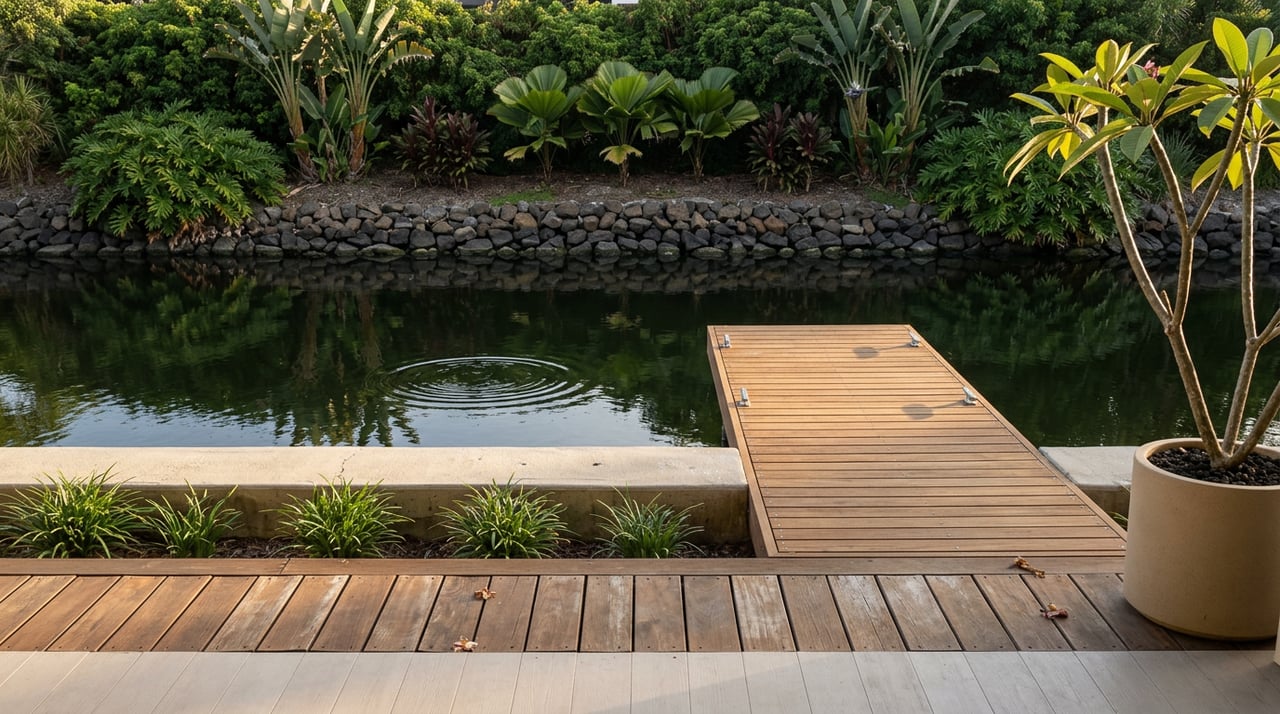
Whether the dock conveys is the question sellers underestimate. Slips along the marina fall into three buckets: deeded to the unit, assigned by the association, or rented from a third party. In condo projects like Kuapa Isle, Mawaena Kai, Gateway Peninsula, The Moorings, Kalele Kai, Esplanade, and Koko Isle, the arrangement varies building to building. A buyer who assumed a dock came with the unit and finds out at day 30 that it is association-assigned will renegotiate or walk. Boat slips are also available for rent at Koko Marina Center through the marina management office, which sometimes becomes the fallback answer when a listed unit's slip status turns out to be less permanent than the marketing suggested.
Two smaller items catch buyers off guard often enough to mention in a seller's disclosure conversation. HKMCA allows a waterfront resident one guest boat visitor per month, and the pass must be arranged with the marina business office before the guest boat enters. And the marina runs on a strict slow or no-wake rule, defined as the slower of 5 mph or no wake, with boats over 21 feet held to slow or no-wake at all times. Those rules matter to sellers because wake damage to seawalls and docks is the single most common source of the repair invoices that end up in a buyer's inspection response. If your seawall has taken a hit and been fixed, document it. If it has not, get ahead of the question.
Any buyer working with a mainland lender is going to have the address run through the current FEMA panels, the State Flood Hazard Assessment Tool, and the State Sea Level Rise Viewer. If the parcel lands in a Special Flood Hazard Area, flood insurance will typically be required by the lender. Even outside an SFHA, many waterfront buyers price in coverage after comparing NFIP and private quotes.
Where the parcel touches a certified shoreline or sits inside the Special Management Area, permit history for any seawall, dock, or shoreline work matters. Pulling those records at listing rather than during escrow keeps a transaction on a normal Oahu timeline instead of a waterfront one.
Here is the current Hawaii Kai picture in one view, drawn from the June 2026 Locations Hawaii report and the mid-2026 Redfin waterfront snapshot:
| Segment | Median | Median DOM | Notes |
|---|---|---|---|
| Hawaii Kai single-family, full neighborhood | $1,625,000 | 16 days | 147 sales, MRI 3.9 months |
| Hawaii Kai condo, full neighborhood | $845,000 | 37 days | 151 sales, MRI 5.7 months |
| Hawaii Kai waterfront homes for sale | ~$1.06M list | ~87 days | ~10 active, ~1 offer per listing |
The waterfront median list price sitting below the neighborhood single-family median is a mix effect, not a discount signal. The waterfront subset skews to two- and three-bedroom townhomes at Kuapa Isle, Mawaena Kai, Gateway Peninsula, The Moorings, Kalele Kai, Esplanade, and Koko Isle. Full waterfront single-family homes in Portlock, Spinnaker Isle, Anchorage, Mariners Cove, and the Peninsula transact much higher. The DOM gap is the story: waterfront takes five times longer to close, and the extra time is spent answering questions the seller could have answered on listing day.
Redfin's rolling three-month read for the broader Hawaii Kai market showed a $1.3M median with 88 days on market as of May 2026, up from 71 days a year earlier. That broader softening in market time makes the waterfront diligence gap more expensive, not less. When inland Hawaii Kai homes are moving in weeks, a waterfront listing sitting at three months starts to look stale to the same buyer pool.
Each waterfront project on the marina handles docks and seawalls slightly differently, which is why a generic listing description does not do the work. Kuapa Isle, Mawaena Kai, Gateway Peninsula, The Moorings, Koko Isle, and Kalele Kai each have their own conveyance conventions and their own approach to shared frontage. Single-family sellers in Portlock, Spinnaker Isle, Anchorage, Mariners Cove, and the Peninsula carry the seawall obligation individually and should treat the seawall record as a listing document, not an inspection-period document. Villa Marina, Colony at the Peninsula, Marina Palms, and Nanea Kai sellers benefit from pulling recent HKMCA correspondence and any wake-related repair notes into the packet even when the unit is not directly on a dock.
If my seawall has never been formally inspected, should I get an inspection before listing? It depends on age and condition. On a single-family marina-front lot, an owner-commissioned condition report gives you control of the narrative. Waiting for the buyer's inspector to raise it puts the timing and the vendor choice on the other side of the table.
Does a private dock always add value? A permitted, approved dock with clean paperwork adds value. An unpermitted or unapproved structure can become a repair-or-remove item in the buyer's response. The paperwork is what carries the price, not the wood.
What about sea level rise disclosures? Buyers and lenders will check the SLR-XA on their own. Sellers do better acknowledging the tool exists and having the parcel's result already in hand than being surprised by it mid-escrow.
Is the wider Hawaii Kai slowdown a reason to wait? Broader Hawaii Kai days on market rose from 71 to 88 year over year as of the May 2026 rolling window. For waterfront specifically, timing matters less than preparation. A ready file has closed on a normal Oahu timeline in every quarter of the last two years.
The waterfront market on the marina rewards sellers who treat their listing as a documented asset. If you own on the water in Hawaii Kai and want a candid read on what your file looks like today and what a realistic listing timeline would be, Artie Wilson & Associates offers a free home valuation and marina-front seller consultation. Bring your questions about your dock, your seawall, and your slip. We will bring the checklist.
Stay up to date on the latest real estate trends.