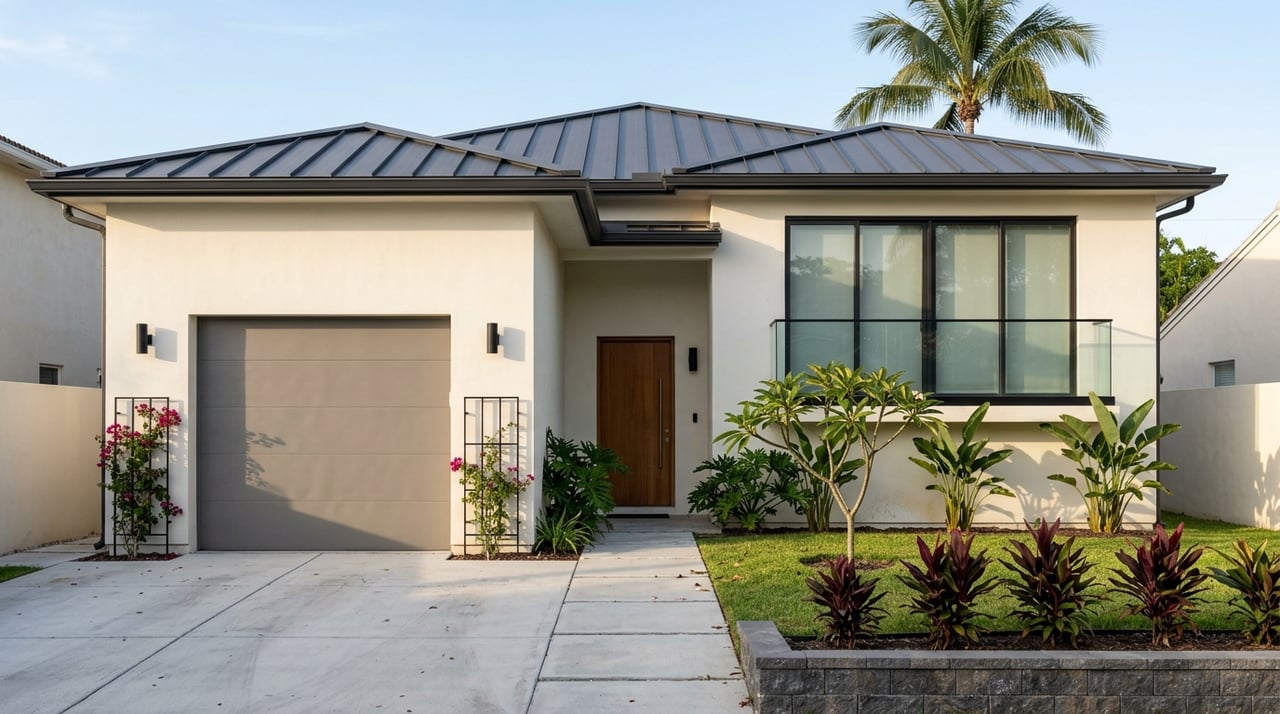
Single-Family Versus Townhome Living In Hawaii Kai
June 18, 2026
June 18, 2026
Trying to choose between a single-family home and a townhome in Hawaii Kai? That decision can shape your budget, monthly costs, maintenance load, and day-to-day lifestyle more than many buyers expect. If you are weighing space, privacy, price, and upkeep in one of East Honolulu’s most sought-after markets, this guide will help you compare the tradeoffs with a Hawaii Kai lens. Let’s dive in.
Hawaii Kai remains a premium East Honolulu market with relatively tight supply. In April 2026, Realtor.com showed 134 homes for sale, a median listing price of $1.05 million, median days on market of 55, and a sale-to-list ratio of 97%.
Pricing also varies inside Hawaii Kai itself. Realtor.com showed Hawaii Kai Marina around $1.2965 million and The Peninsula at Hawaii Kai around $832,000, which is a useful reminder that location, setting, and property type can shift pricing meaningfully even within the same community.
Redfin’s May 2026 neighborhood page showed a median sale price of $1,294,565 across all home types in Hawaii Kai. For you as a buyer, that means the choice between a detached home and a townhome is often not just about style. It is also about where you want to be in the neighborhood and how you want your monthly costs to work.
Single-family homes in Hawaii Kai currently cover a wide price range. Active listing examples run from about $1.325 million to $14.5 million, with many listings clustering from the high $1 millions to the mid $4 millions.
Representative examples include 849 Hahaione Street at $1.325 million, 6307 Kaiwiki Place at $1.645 million, 123 Waihili Place at $4.95 million, and 469 Portlock Road at $6.9 million. That spread tells you that the detached-home market here includes both more accessible entry points and very high-end waterfront or view properties.
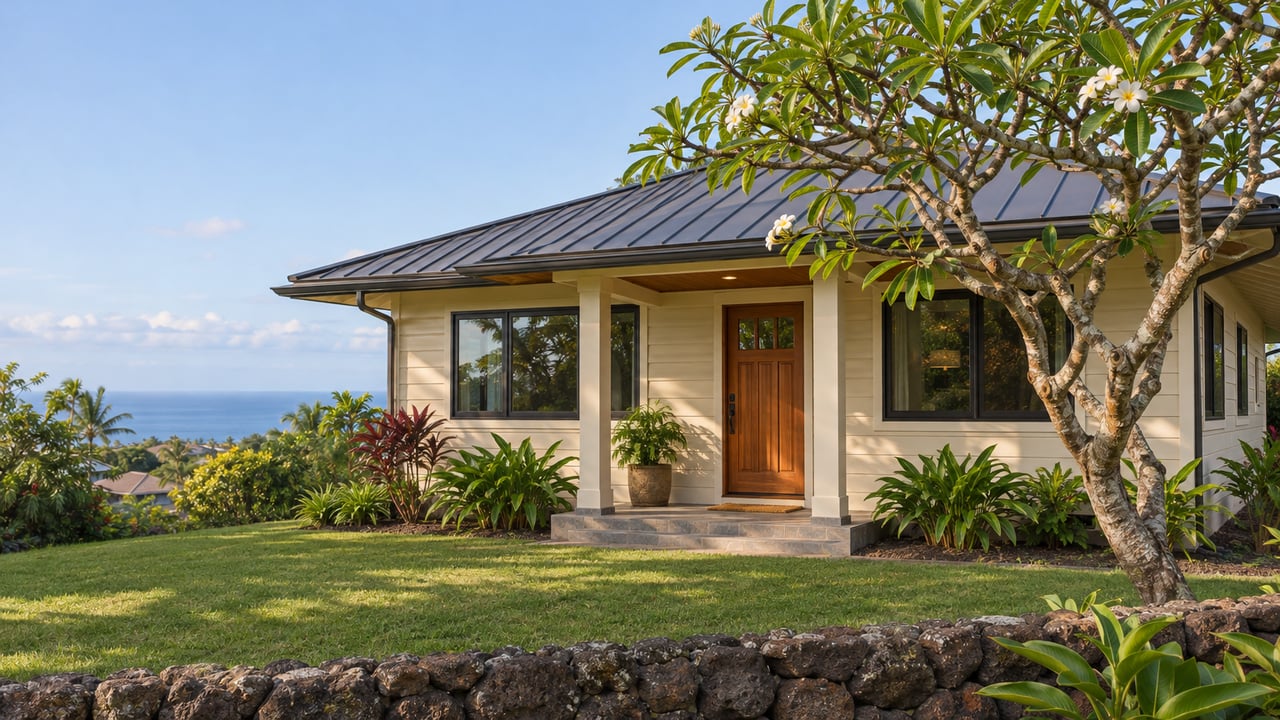
Many of these homes are chosen for features beyond the address alone. Current listings include marina-front settings, panoramic views, golf-course views, pools, and larger lots, which often appeal to buyers who want more room, more separation, and more control over the property.
A single-family home often gives you more privacy and more flexibility. You may have more interior space, more outdoor area, and more freedom to personalize the property over time, depending on the community rules that apply.
In Hawaii Kai, detached homes can also be a path to view corridors, marina frontage, or larger-lot living. If your priority is having more distance from neighbors or a property that feels more self-contained, a single-family home may line up better with your goals.
More independence usually means more direct responsibility. As a homeowner, you are typically responsible for maintenance and repairs, from smaller items to major expenses like roof replacement.
That can be manageable if you want control and are prepared for upkeep. But it is important to factor those costs into your monthly budget, especially in a coastal market where long-term maintenance planning matters.
Townhomes in Hawaii Kai generally sit at a lower price point than detached homes. Current active examples range from about $675,000 to $1.69 million, with many visible listings around $790,000 to $1.45 million.
Examples include 290 Kawaihae Street #209-C at $675,000, 6770 Hawaii Kai Drive Apartment 24 at $745,000, 520 Lunalilo Home Road Unit 6319 at $790,000, 7018 Hawaii Kai Drive Unit 615 at $1.07 million, and 211 Kawaihae Street #D1 at $1.45 million. There is a low $179,000 outlier in the current feed, but it is far outside the rest of the sample and should be verified before being treated as representative.
For many buyers, that lower entry point is the main draw. A townhome can offer a way into Hawaii Kai with a smaller upfront purchase price while still giving you more space than a typical apartment-style condo in some cases.
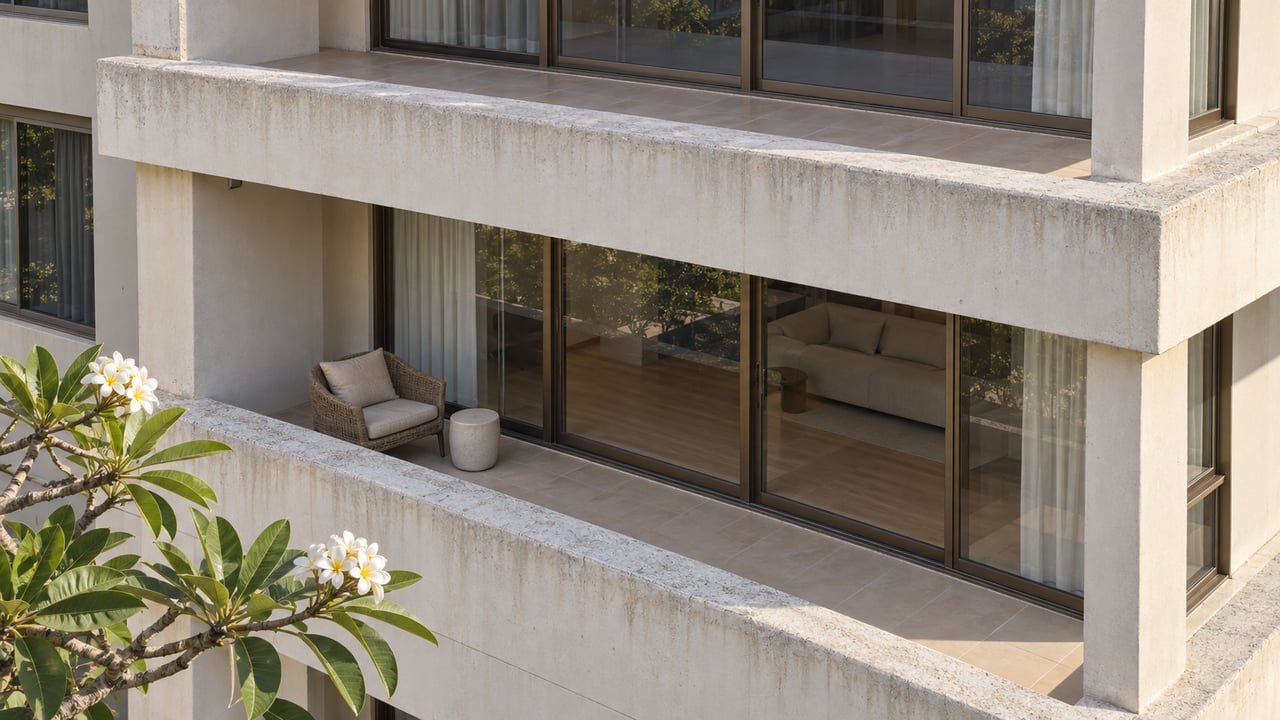
Townhomes often appeal to buyers who want a balance between ownership and convenience. Current Hawaii Kai examples include attached garages, community pools, and waterfront-oriented settings, which can make the lifestyle feel easier to manage.
In practical terms, townhome buyers are often trading some privacy and autonomy for a lower entry price and less direct exterior upkeep. Shared walls, shared amenities, and association rules are usually part of that equation.
Monthly dues and association rules deserve close attention. In many townhome communities, the association may cover certain shared costs such as landscaping, driveways, shared structures, or even roofs, depending on the legal structure and governing documents.
That can simplify ownership, but it also means your monthly cost is not just the mortgage payment. You will want to understand what the dues cover, how the association is funded, and whether the project appears well maintained over time.
In Hawaii, the biggest surprise for many buyers is that the building style does not always tell you the ownership structure. A townhome is not automatically a condo, and a detached home is not automatically free of association dues.
According to the Hawaii Department of Commerce and Consumer Affairs, condominium ownership can include townhomes and even single-family homes, depending on the project documents. The key point is simple: you need to verify the legal form of the property rather than assume based on how it looks from the street.
DCCA also notes that Chapter 421J homeowners’ associations and planned community associations are separate from condominium associations. That distinction matters because the governing structure can affect maintenance responsibility, dues, documents, and how the community operates.
Yes. In Hawaii, a townhome may be part of a condominium project or a planned community. The project documents determine what the association covers and what remains your responsibility.
That means two townhomes that look similar from the outside can come with very different ownership obligations. One project may include more association-covered maintenance, while another may leave more items in the hands of the owner.
Yes. Hawaii Kai includes detached-home communities with mandatory association membership and dues. Queen’s Gate describes itself as a planned unit development funded by monthly dues, and Mariner’s Valley Two states that membership is mandatory by deed and that the association’s only responsibility is the common area.
For you, the takeaway is straightforward. Do not assume detached means no dues, and do not assume attached means condo. Verify the documents early.
If you want a simple market snapshot, townhomes in Hawaii Kai currently tend to sit in roughly the mid-$700,000s to low-$1.5 millions. Single-family homes more often begin around the low-to-mid $1 millions and move into $2 million-plus territory quickly.
That is not a hard rule. Pricing can change based on submarket, condition, fee structure, views, and waterfront orientation, but it is a helpful starting point for your search.
| Factor | Single-Family Home | Townhome |
|---|---|---|
| Typical current price snapshot | Often starts in low-to-mid $1M range and rises quickly | Often in mid-$700k to low-$1.5M range |
| Privacy | Usually more privacy | Usually less privacy due to attached design |
| Space | Often more interior and outdoor space | Often more compact |
| Maintenance | More direct owner responsibility | Some exterior or shared upkeep may be handled by association |
| Monthly dues | Possible in some communities | Common in many projects |
| Rules and restrictions | Varies by community | Often more association oversight |
The right choice usually comes down to how you want to live and what you want your budget to support. If you value more room, more privacy, and the ability to shape the property over time, a single-family home may be the better fit.
If you want a lower entry point into Hawaii Kai and prefer a setup where some shared upkeep may be handled through dues, a townhome may make more sense. Neither option is automatically better. It depends on your priorities and the specifics of the property.
Use these questions to compare options clearly:
These questions matter in Hawaii Kai because the legal structure can change the ownership experience in a major way. A lower purchase price does not always mean a lower long-term cost, and a detached home does not always mean no shared obligations.
DCCA’s condo-buyer checklist recommends reviewing the declaration, bylaws, house rules, current annual budget, reserve study, insurance, property or site managers, and board materials or minutes. Buyers should also look for special assessments, delinquencies, lawsuits, and upcoming capital improvements.
DCCA’s reserve guidance also notes that associations must identify which parts of the project they are responsible for, when those items need repair or replacement, and what that work is expected to cost. Inadequate reserves can lead to deferred maintenance or special assessments, so this is not a detail to skip.
That review process can feel technical, but it is one of the most important parts of comparing a Hawaii Kai townhome with a single-family property. You are not just buying a floor plan. You are buying into a structure of responsibilities, costs, and rules.
If you are weighing single-family versus townhome living in Hawaii Kai, the smartest move is to compare the real numbers and documents behind each option, not just the photos. For tailored guidance on Hawaii Kai neighborhoods, pricing, and property structures, connect with Artie Wilson.
Stay up to date on the latest real estate trends.