What Day-To-Day Life Is Like In Kailua And Kaneohe
May 28, 2026
May 28, 2026
If you are thinking about living on Oahu’s Windward side, one question matters fast: what does everyday life actually feel like once the boxes are unpacked? Kailua and Kaneohe both offer beautiful scenery and strong outdoor access, but your daily routine can look a little different in each one. Here’s a practical look at how life tends to work in these neighboring communities, so you can picture where you may feel most at home. Let’s dive in.
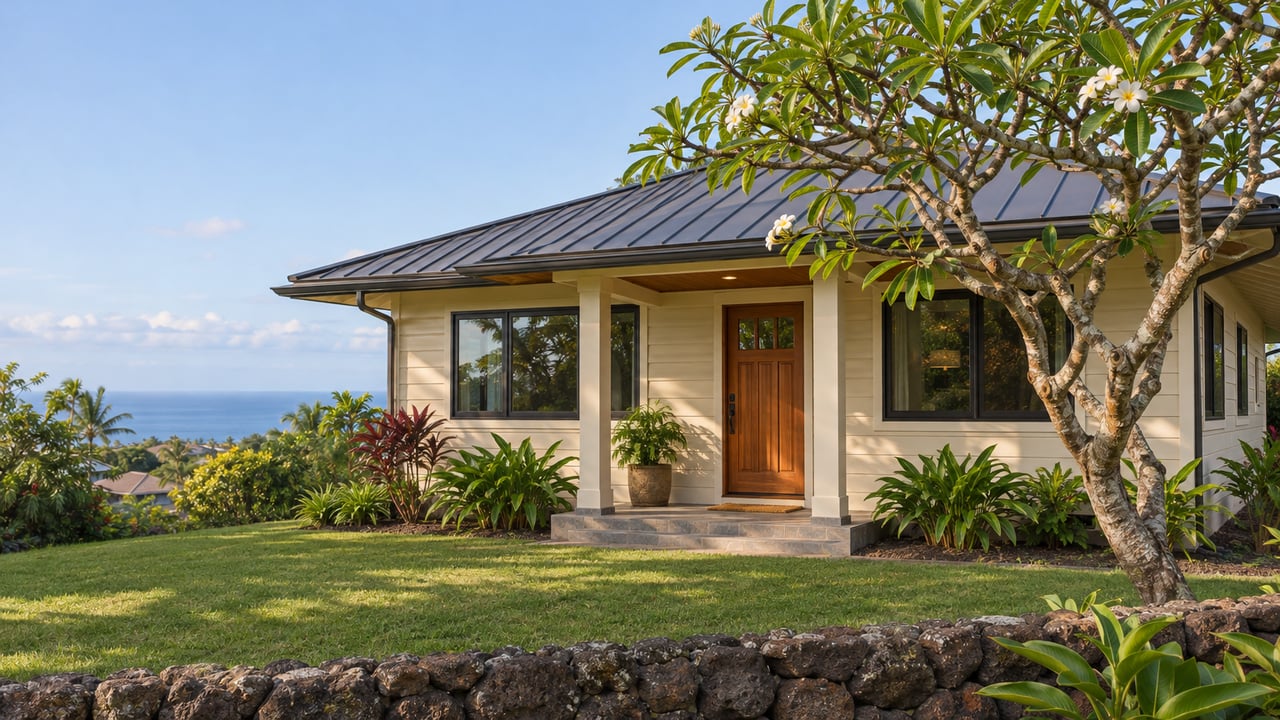
Kailua and Kaneohe are part of Koʻolau Poko, the Windward coastal and valley region of Oahu. Honolulu’s long-range planning for the area focuses on protecting community resources, residential character, and natural resources while keeping growth relatively stable instead of pushing heavy urbanization.
For you, that often translates into a more neighborhood-based lifestyle. Daily life tends to revolve around local errands, recreation, beach or bay access, and commute patterns shaped by the Koʻolau mountains and the limited major routes connecting the Windward side to the rest of the island.
Kailua often comes across as more beach-centered and boutique in its rhythm. It is the kind of place where outdoor time, small business activity, and neighborhood errands can all blend into the same day.
Kailua Beach Park is one of the clearest anchors of daily life. The City reported that shoreline erosion is an active concern there, and a Sea Grant estimate cited in the City’s 2024 dune restoration announcement placed beach park visitation at more than 1,700 people per day.
That level of use helps explain why beach stewardship, parking, access, and general upkeep are recurring parts of the local conversation. If you live in Kailua, the beach is not just a weekend backdrop. It is part of the everyday setting.
If you enjoy starting the day outside, Kailua offers easy access to some of Oahu’s best-known recreation areas. The Kaʻiwa Ridge Trail, often called the Lanikai Pillbox Trail, is a familiar part of the local recreation mix and is actively managed by the state due to heavy use and environmental concerns.
Ocean safety is also part of the routine. Honolulu’s public safety guidance encourages choosing lifeguard-protected beaches and checking ocean conditions before entering the water, which is useful advice for anyone building beach time into regular life on the Windward side.
Kailua’s business environment has a notably local and community-driven feel. The Kailua Chamber of Commerce describes the area’s business community as active and thriving, with hundreds of businesses and services represented in its directory.
That supports a day-to-day pattern where you may find yourself handling errands, meeting friends, and dining out in a more neighborhood-scale commercial setting. Local events also play a visible role in civic life and business activity, which adds to Kailua’s connected, small-town feel.
Kaneohe often feels more service-oriented in its daily rhythm. While it shares the same Windward setting and outdoor access as Kailua, its town core is more closely tied to practical errands, transit connections, and everyday convenience.
Honolulu planning documents identify retail concentration around Windward Mall and Kaneohe Bay Shopping Center. The current shopping center mix includes groceries, banking, a pharmacy, medical testing, auto parts, and dining, which shows how many routine needs can be handled close to home.
If your ideal routine includes knocking out essentials efficiently, Kaneohe may feel especially functional. It can be easier to picture a day built around school drop-offs, grocery runs, appointments, and commuting, with many stops clustered near the town core.
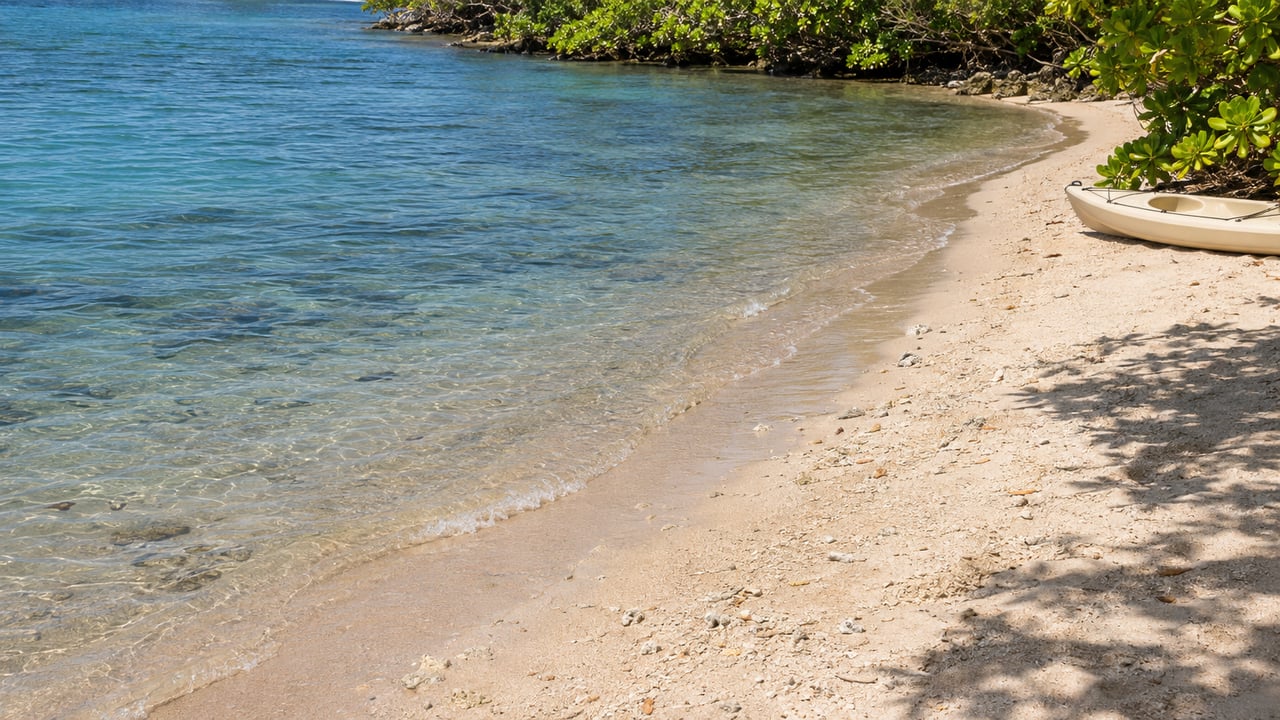
Kaneohe is not only about convenience. Kaneohe Bay is a major part of the area’s identity and daily scenery, and it is actively managed for public and commercial ocean use.
According to the Hawaii Department of Land and Natural Resources, the Kaneohe Bay Regional Council advises the state and county on use of the bay by the public, marine research programs, and commercial ocean activities. That tells you the bay is both a natural asset and a working part of community life.
Both Kailua and Kaneohe are high-cost housing markets with strong owner occupancy. Census QuickFacts shows owner-occupied housing at 72.3% in Kailua and 76.4% in Kaneohe.
Home values and rents show a difference between the two. Kailua’s median owner-occupied home value is $1,353,700, compared with $1,029,700 in Kaneohe. Median gross rent is $3,093 in Kailua and $2,269 in Kaneohe.
For many buyers and relocators, that points to an important reality: both communities are expensive, but Kailua tends to come in at a higher price point. If budget is part of your decision, Kaneohe may offer a different value equation while still keeping you on the Windward side.
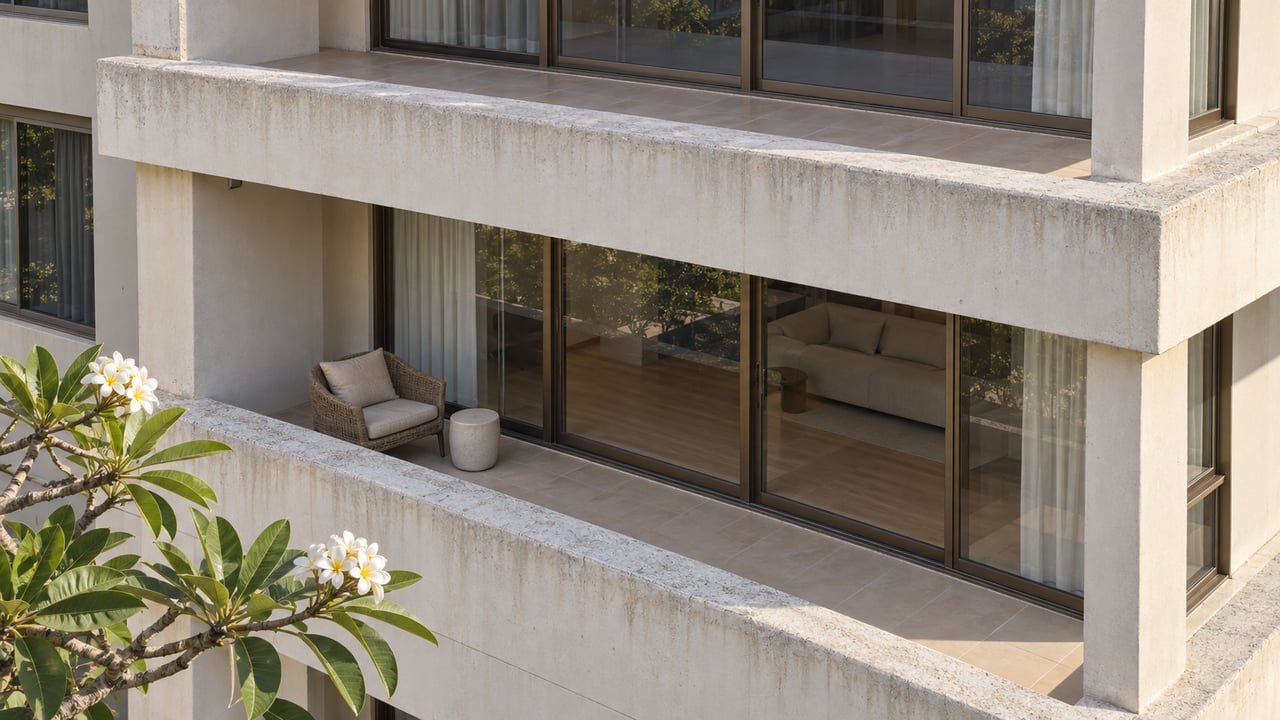
It is easy to picture these communities as only single-family neighborhoods, but the housing mix is broader than that. The Koʻolau Poko plan notes that new housing has included multi-family residential buildings in the town core areas of both Kailua and Kaneohe.
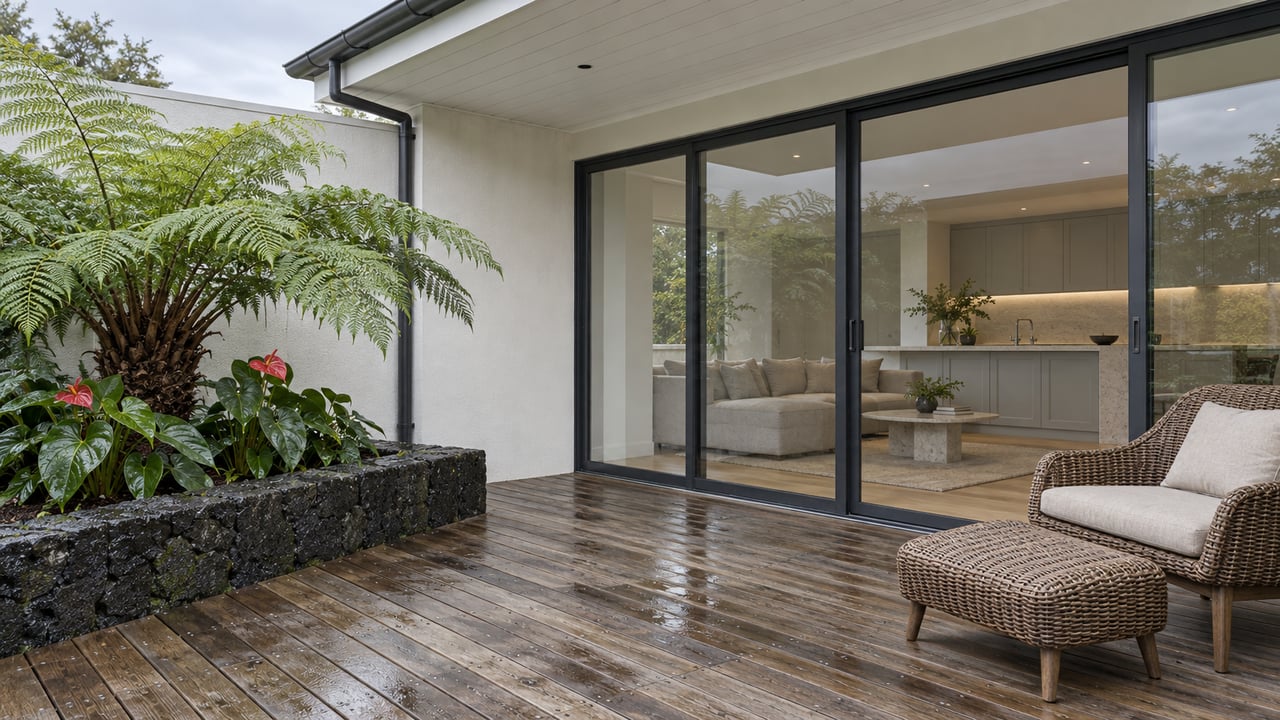
The same plan also points to added housing options such as ohana dwellings, housing above storefronts, and similar infill development. That means if you are relocating, downsizing, or looking for a lower-maintenance setup, you may find more variety than the classic postcard image suggests.
The City’s housing department has also identified future supply in Kailua, including a planned affordable rental project at 734 and 735 Kihapai Place. While that does not change the area’s overall price level overnight, it does show that housing choice is still part of the local conversation.
If you work from home at least part of the week, both communities show strong baseline digital readiness. Census data reports broadband subscription rates of 93.7% in Kailua and 95.5% in Kaneohe, with computer ownership above 96% in both places.
That does not guarantee your ideal home office in every property, but it does suggest many households already have the basic infrastructure needed for remote work. For hybrid workers, that can make Windward living feel more realistic, especially if you are not crossing the island every day.
Even with remote work in the mix, commuting remains part of life for many residents. Average travel time to work is 29.1 minutes in Kailua and 27.6 minutes in Kaneohe, according to Census data.
The main routes help explain how those routines take shape. Pali Highway connects Kailua directly to Downtown Honolulu, Likelike Highway connects Kaneohe to Kalihi, and H-3 links the Windward side with the base area.
Bus service is also part of the transportation picture. City transit materials note Windward service along Pali Highway, and current TheBus service includes Route 85 for Kaneohe, Route 87 for Kailua, Route 56 connecting Honolulu, Kailua, and Kaneohe, plus the Kaneohe circulator.
If you are deciding between the two, commuting patterns may influence your choice as much as lifestyle. Kaneohe can feel especially practical if your routine depends on service access and transit options, while Kailua may appeal if you are willing to trade some convenience for a more beach-centered environment.
The clearest difference often comes down to how your week feels, not just how the map looks. Kailua tends to lean more toward beach access, local shops, and a boutique neighborhood atmosphere.
Kaneohe tends to lean more toward practical errands, service access, and town-center convenience. Both still share the same Windward fundamentals: strong outdoor access, mixed housing types near the core areas, and a planning framework that aims to preserve suburban residential character.
A simple way to think about it is this:
Before choosing between Kailua and Kaneohe, it helps to picture your actual week. Think about where you will shop, how often you commute, whether beach or bay access matters more to you, and what type of home setup fits your budget and lifestyle.
It is also worth considering how much you want close-in services versus a more beach-forward environment. These two communities are neighbors, but the day-to-day experience can feel meaningfully different once you start stacking up errands, housing costs, and commute patterns.
If you want help comparing neighborhoods on the Windward side or understanding how specific homes line up with your routine, Artie Wilson can help you navigate the options with local, senior-led guidance.
Stay up to date on the latest real estate trends.